Written by Tanisha Mishra
Kolkata is a city gifted with some of the oldest and most iconic libraries—so deeply woven into its cultural fabric that even some of its lanes are named after them. There was a time when libraries echoed with the soft rustle of turning pages, the tap of typewriters, and the hushed conversations of curious minds. However, today, that silence feels different. What once were havens for readers—private libraries brimming with old magazines, hardbound classics, and local newspapers—are now navigating a difficult chapter.
This isn’t just the story of a few aging institutions; it reflects the condition of almost all libraries in the city, whether privately run or government-sponsored. Built as gateways to knowledge, many now stand quiet, their rooms no longer filled with eager readers.
Here are a few prominent libraries of Kolkata that have lost their charms probably to e-books and easily available PDFs.
Taltala Public Library: A Legacy in Limbo
Tucked away in a bylane of Central Kolkata’s Entally neighbourhood, the Taltala Public Library, established in 1879, is one of the city’s oldest. With over 70,000 books—many in Bengali and English—its collection speaks volumes of its rich past.
Amit Chatterjee, a long-time member, explained, “Members are the ones funding and running the library ourselves,” pointing to a lack of institutional support.
ALSO READ: The rise of street art in Kolkata: Colors, causes and creative resistance
Since the pandemic, the situation has worsened. “The library hasn’t been functioning properly. There’s no maintenance, and many books have been damaged or lost,” Chatterjee shared. The reason, he said, is simple: “People have stopped coming, and there isn’t enough manpower to keep things running.”
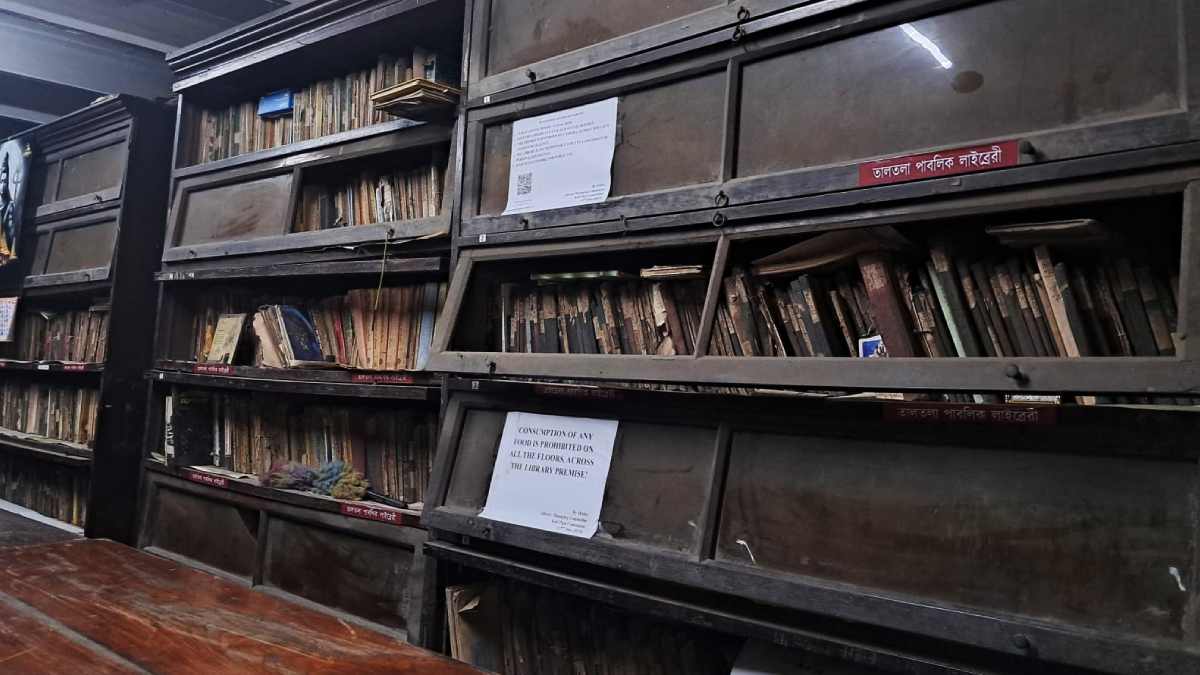
Tucked away in a bylane of Central Kolkata’s Entally neighbourhood, the Taltala Public Library, established in 1879. (Photo by Tanisha Mishra)
He recalled better days: “Earlier, people would come every morning and evening to read newspapers, which the library provided for free.” Now, although not formally closed, the library opens irregularly and struggles to recapture its former vibrancy.
Barabazar Library: A Private Effort to Preserve the Past
Like Taltala, the Barabazar Library—a privately run institution with over 125 years of history—is also facing dwindling interest. Despite its diverse collection of books in multiple languages and genres, footfall has sharply declined.
Librarian Ram Nivash Ram put it simply: “Fewer people come here to read now.” In an attempt to keep the space alive, the library has become a study haven for local students. “The library is kept open so that students can come here and study,” he said.
ALSO READ: Kolkata’s Bengalee Regiment Monument and a tale of forgotten Bengali valour
With affordable access—₹500 for lifetime membership and ₹120 annually—the library still offers a wealth of resources. “Books are available in every language and across every genre,” Ram added, expressing hope that renewed interest may someday return.
Boys’ Own Library & Young Men’s Institute: Tradition Meets Transition
The Boys’ Own Library & Young Men’s Institute, which recently marked 117 years, stands as another historic gem always ready to adapt new things. Unlike other libraries, it is not suffering, but it did face challenges.
“Two years ago, when the government stopped the ₹20,000 funding for books, we faced some difficulties,” said Sugata Bhattacharya, Secretary of Boys’ Own Library & Young Men’s Institute. “After that, we all started donating ourselves to purchase books.”
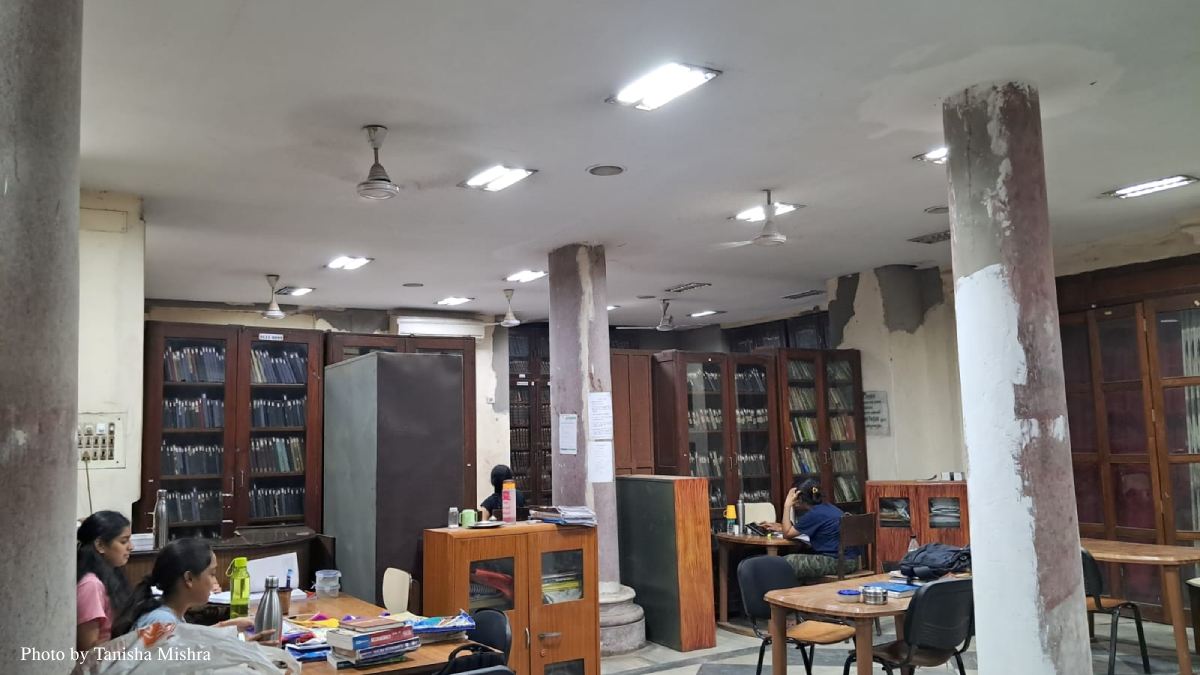
If communities, leaders, and readers come together, these quiet spaces can be revived. (Photo by Tanisha Mishra)
He added, “Our aim is to increase the number of readers, and we always work towards increasing our membership.”
He further said, “Yes, compared to earlier times, the number of readers has declined, but we still have more than 2,000 members.”
ALSO READ: Loved worldwide, overlooked where it originated: The story of Kalighat Patachitra
Despite this, the library is evolving. “Members are regularly asked about their preferences and books are brought in accordingly.” Bhattacharya said, “We have approximately 8,000 books, covering almost all genres. We also sponsor programmes in our auditorium, and sometimes we rent it out as well.” The library also offers creative workshops for children—ranging from acting and singing to dancing—to attract younger audiences.
Borrowing remains affordable, reinforcing the library’s goal to stay accessible and culturally enriching.
Fading Footsteps, Lasting Legacy
Though these Kolkata libraries are trying to modernize, they all face the same core challenges—declining readership, limited support, and rising digital alternatives.
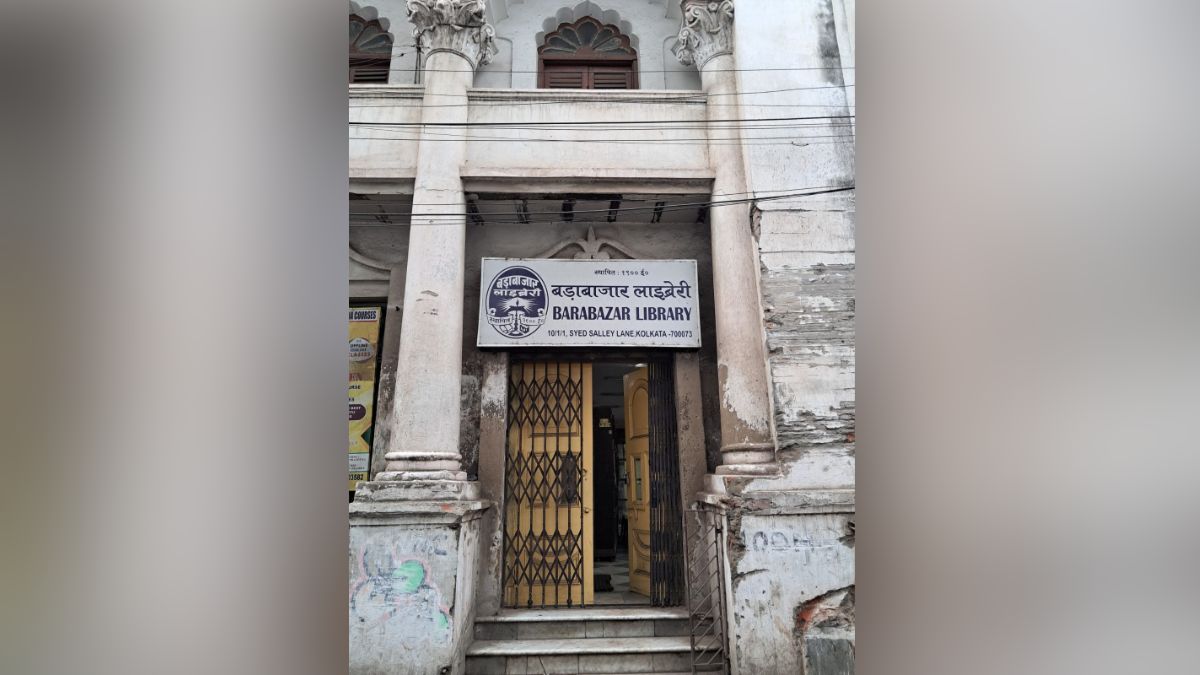
The Barabazar Library—a privately run institution with over 125 years of history—is also facing dwindling interest. (Photo by Tanisha Mishra)
Yet hope remains. If communities, leaders, and readers come together, these quiet spaces can be revived. After all, a library is more than a place for books—it is a living memory of culture, of the city, and of its people.