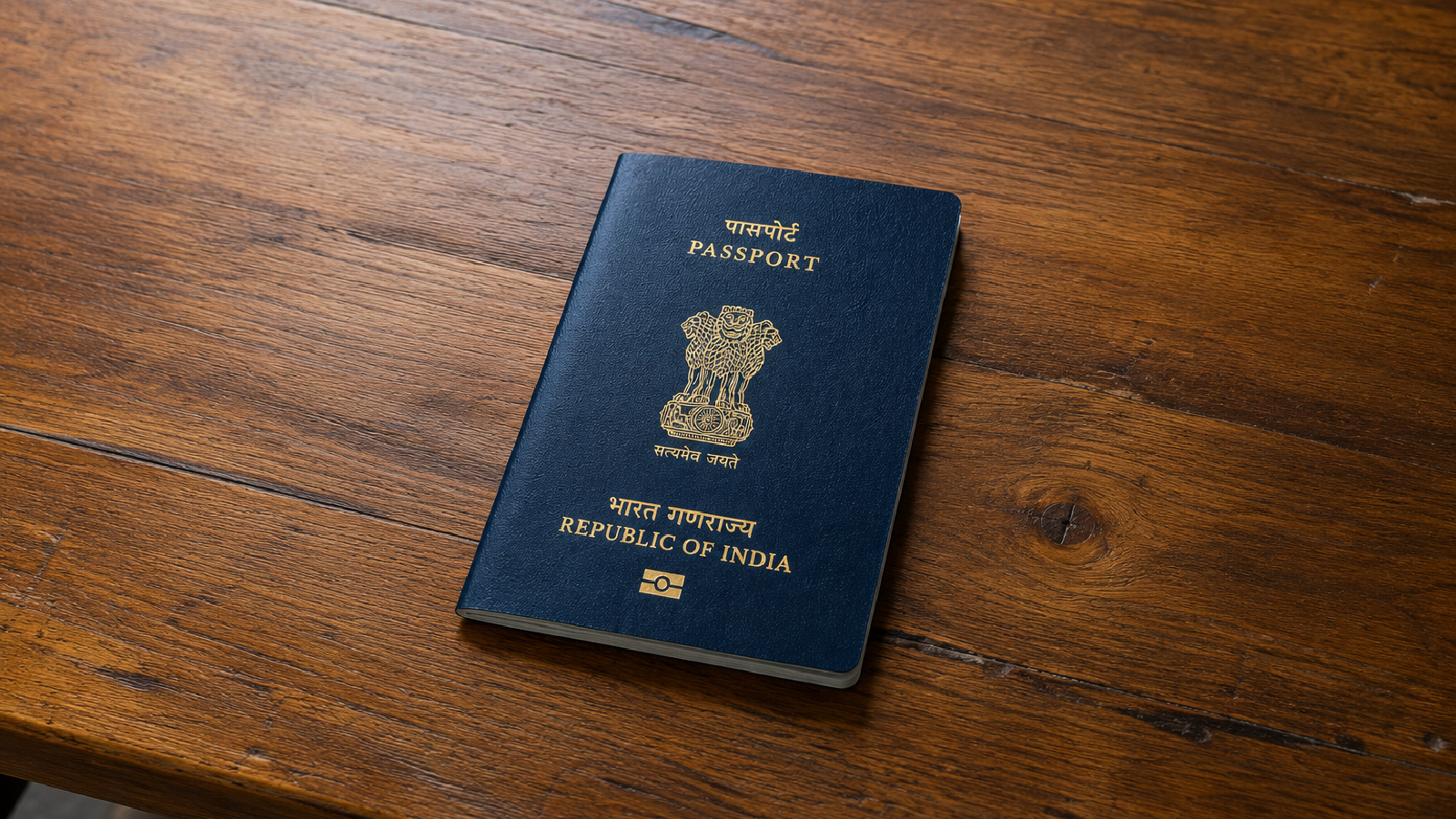
The Ministry of External Affairs (MEA) has clarified that an Indian passport should not be considered conclusive proof of citizenship, reiterating its primary role as a travel document. The clarification was issued during celebrations marking the 14th Passport Seva Diwas, amid increasing public debate over documents used to establish citizenship and eligibility for government benefits.
An MEA official stated that while passports are issued to Indian citizens, the document itself does not legally establish citizenship. Instead, citizenship is determined under provisions of the Citizenship Act, 1955, based on eligibility criteria and supporting evidence.
Journalist Sidhant Sibal posted on X explaining the legal provisions of issuing of a passport.
🧵Passport is a travel doc for Indian govt
Explaining
Stated Law:
Section 20 of the Passports Act, 1967 says a passport can be given to a non citizen by Indian govt if it is in “public interest”Link: https://t.co/VJefRzXAzG https://t.co/BdNLFj7sFO pic.twitter.com/4ARd98picI
— Sidhant Sibal (@sidhant) June 24, 2026
The remarks were made during a comprehensive briefing on India’s passport ecosystem, where officials highlighted efforts to improve accessibility, security and international mobility for Indian citizens.
Authorities emphasized that passports are intended to facilitate international travel and establish identity overseas. The clarification comes amid recurring discussions regarding whether documents such as Aadhaar cards, voter identity cards and passports can independently establish citizenship.
MUST READ: Venezuela hit by 2 earthquakes of magnitudes 7.2 and 7.5; 32 dead, over 700 injured
Legal Framework Supports Government’s Position
Officials noted that the government’s position aligns with existing legal provisions and court rulings. Legal experts pointed out that Indian courts have consistently held that possession of a passport alone cannot be treated as definitive proof of citizenship.
The Bombay High Court, in a 2013 observation, stated that citizenship is determined under the Citizenship Act and not solely through possession of any single document. Additionally, Section 20 of the Passports Act, 1967, permits the Central Government to issue an Indian passport to a non-citizen under specified circumstances, reinforcing the legal distinction between passport possession and citizenship status.
ALSO READ: Chilling details in Pune man’s death: Fiancee had tried to kill him once before
Faster Passport Processing Across the Country
The government highlighted significant improvements in passport services over recent years. According to officials, passport processing timelines have been reduced substantially, with many applications now being processed within five working days.
Applicants are also spending less time at Passport Seva Kendras (PSKs), with average visits taking under 45 minutes. Officials attributed the improvement to technology-driven reforms and streamlined administrative procedures.
Javed Akhtar critiques the clarification writing on his X post.
The ministry of external affairs says that a passport is a document travel not the proof of citizen ship . Really ??? . So are they providing this travel document to some people with out being totally convinced that this person is an Indian citizen ?? . It is absurd .
— Javed Akhtar (@Javedakhtarjadu) June 24, 2026
Nationwide Rollout of Chip-Enabled E-Passports
A major development showcased during the briefing was the nationwide implementation of chip-enabled e-passports. Since May last year, all newly issued passports have been equipped with secure electronic chips containing biometric information and advanced security features.
The e-passports comply with standards established by the International Civil Aviation Organisation (ICAO) and are expected to enhance document security, reduce the risk of fraud and improve acceptance at international immigration checkpoints.
Officials reported significant expansion in India’s passport service infrastructure. The network now includes 545 passport service centres across the country, representing a six-fold increase over the past decade.
The government plans to establish 20 additional Passport Seva Kendras this year. Authorities aim to ensure that every Lok Sabha constituency has access to at least one passport facility by 2027.
Despite the expansion, officials noted that passport ownership remains relatively low in India. Approximately 10 per cent of the country’s population currently holds a passport. The government said increasing access to travel documents remains a priority as overseas education, employment and business opportunities continue to grow.
Outreach Programmes Target Underserved Regions
The MEA stated that passport facilities now cover nearly all parliamentary constituencies, with only about 30 districts yet to receive a dedicated centre.
To improve access in remote regions, mobile passport teams have been deployed in difficult-to-reach areas. Special outreach camps conducted last year facilitated passport issuance for nearly 300,000 individuals living in underserved locations.
Officials said Indian passport holders now benefit from broader international access. Currently, 27 countries offer visa-free entry to Indian citizens, while 47 countries provide visas on arrival. Additionally, 66 countries offer e-visa facilities, making international travel more convenient for Indian travellers.
E-Migrate Platform Streamlines Overseas Employment
The government also highlighted progress in overseas employment services through the upgraded eMigrate 2.0 platform. Since its launch in October 2022, nearly 700,000 Indian workers have obtained emigration clearance through the system. Randomised processing mechanisms introduced across 17 passport offices have further improved transparency and reduced administrative delays.
Focus on Worker Welfare and Safe Migration
Authorities said worker welfare remains a key priority. Pre-departure orientation programmes now provide destination-specific cultural guidance and job-related training to Indians seeking employment abroad.
India is also preparing to host a Human Resource Mobility Forum next week involving Germany, Italy, Japan, Russia and Denmark to connect skilled Indian workers with employers overseas.
Support Systems for Overseas Indians Strengthened
Additional assistance mechanisms have been introduced for vulnerable overseas Indians. One-stop support centres offering legal aid and psychological counselling for distressed Indian women are currently operating in Gulf countries and Singapore. These services are supported through the Indian Community Welfare Fund and form part of broader efforts to ensure safer international migration.