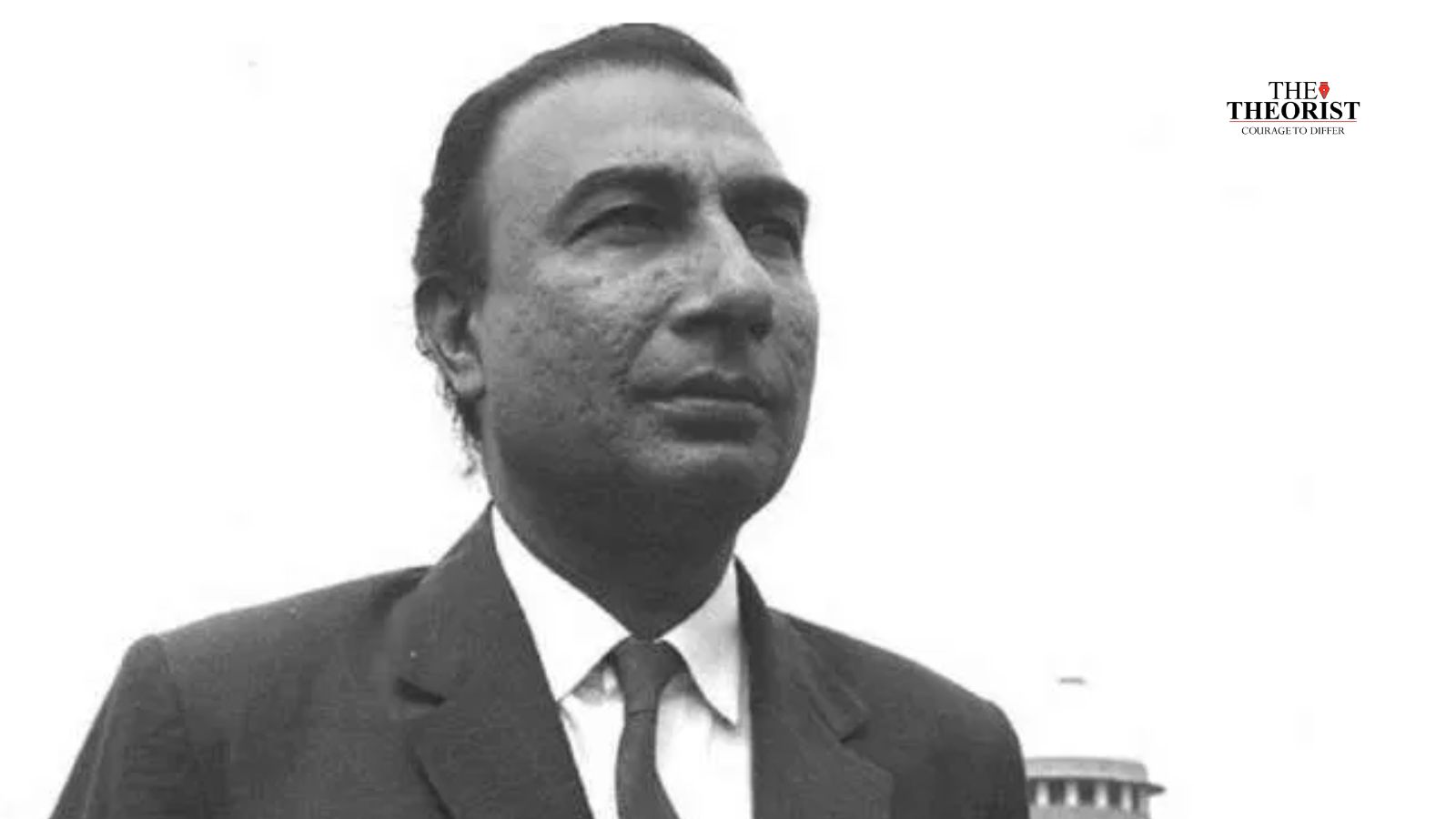
Sahir Ludhianvi birth anniversary: Every year on March 8, admirers of Urdu poetry and Indian cinema pause to remember one of the most influential poets and lyricists of the twentieth century — Sahir Ludhianvi. Known for his bold ideas, humanistic ideals, and unforgettable film lyrics, Sahir remains a towering figure in the cultural history of the subcontinent. His poetry was never merely romantic ornamentation. Instead, it carried a moral urgency that questioned injustice, challenged social hypocrisy, and spoke for those who rarely found representation in literature or cinema.
`
Across decades, his words have continued to resonate with readers and listeners alike. Whether in literary gatherings or through timeless film songs, Sahir’s poetry carries a rare combination of emotional depth and social consciousness, making him one of the most enduring voices in modern Urdu literature and Hindi cinema.
Sahir Ludhianvi was born as Abdul Hayee on March 8, 1921, in Ludhiana. Though he was born into a feudal family, his early life was far from privileged. His parents’ troubled marriage left a lasting impression on him. His mother chose to leave his wealthy father rather than accept an oppressive domestic situation, and young Abdul Hayee grew up witnessing both struggle and resilience.
These early experiences profoundly shaped his worldview. The realities of inequality and the dignity of personal resistance became themes that would later echo throughout his poetry. The empathy visible in Sahir’s writing—particularly for the marginalized and the powerless—can often be traced back to these formative years.
Sahir Ludhianvi birth anniversary: The emergence of a fearless poet
Sahir received his early education in Ludhiana and later studied at Government College University Lahore, where his literary abilities began to flourish. During his college years, he developed a deep interest in Urdu poetry and began writing verses that quickly gained attention among fellow students and literary circles.
His rebellious temperament and outspoken views occasionally brought him into conflict with authorities. Yet those very qualities also helped shape the distinctive voice that would define his poetry—direct, fearless, and intellectually engaged.
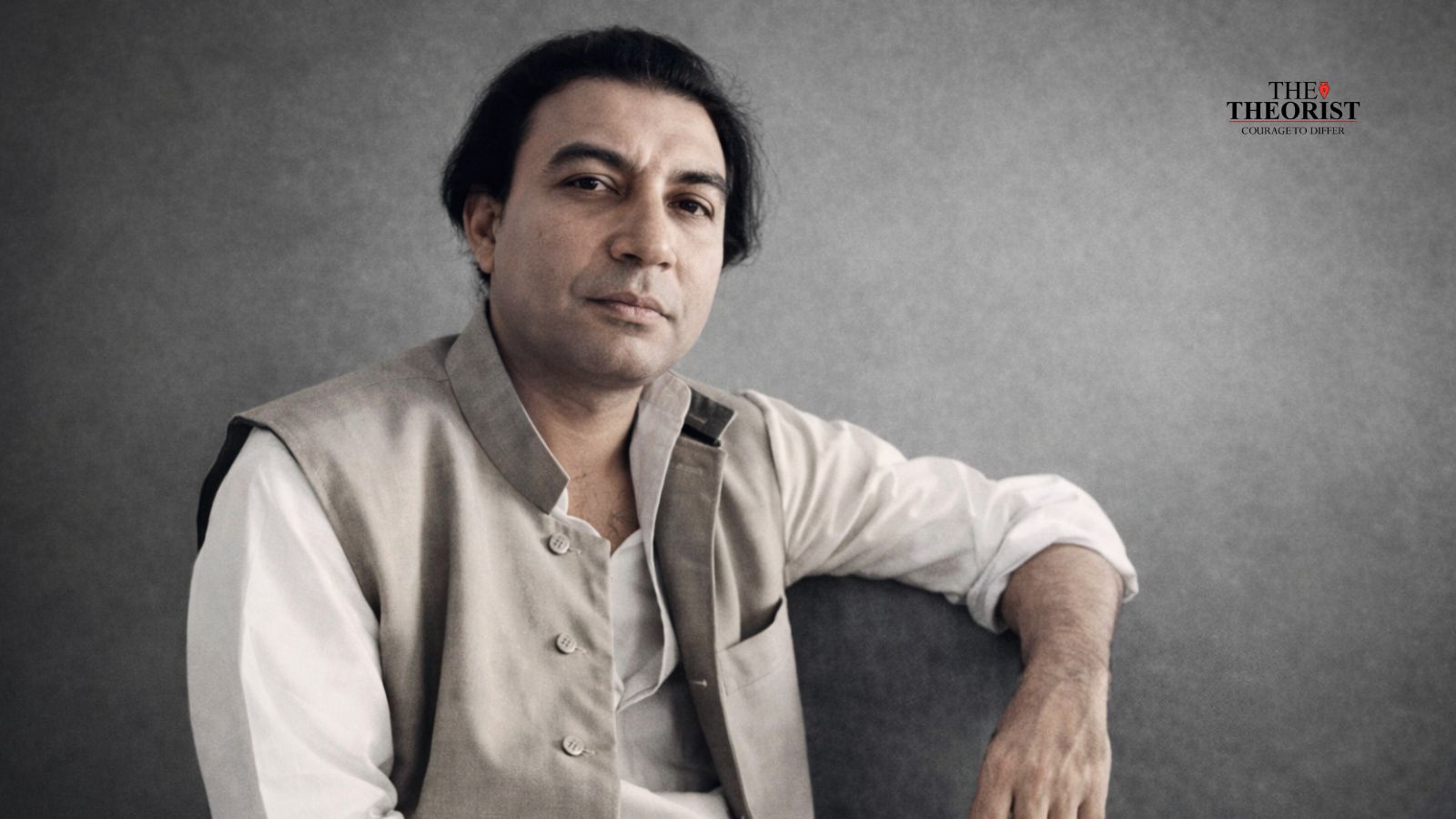
Sahir Ludhianvi received his early education in Ludhiana and later studied at Government College University Lahore, where his literary abilities began to flourish. (Enhanced with AI)
In the 1940s, Sahir became associated with the Progressive Writers’ Association, a powerful literary movement that sought to address social realities such as poverty, exploitation, and communal divisions through literature.
His early poetry collection Talkhiyan (Bitterness), published in the mid-1940s, firmly established him as a powerful young poet. The poems in this collection reflected his sharp critique of society as well as his deep empathy for the oppressed. Unlike many poets who focused mainly on romantic expression, Sahir blended romance with social awareness, producing poetry that was emotionally evocative yet intellectually probing.
Partition, Lahore, and the move to Bombay
The upheaval of the Partition of India marked a turning point in Sahir’s life. After 1947, he briefly moved to Lahore, where he worked as an editor for literary magazines. However, political pressures and the consequences of his outspoken views soon made his stay there difficult.
MUST READ: Double-edged power: Sound heals and it destroys
Eventually, Sahir relocated to Mumbai—then known as Bombay—where he would find the platform that brought his poetry to millions: the Hindi film industry.
Sahir’s entry into cinema was not immediate or effortless, but his talent soon drew recognition. One of his early breakthroughs came with the film Naujawan, whose song “Thandi Hawaein” became immensely popular.
From that point onward, he wrote songs for several memorable films, including Baazi, Pyaasa, Hum Dono, Phir Subah Hogi, Waqt, Hamraaz, and Kabhi Kabhie.
His collaborations with celebrated composers such as S. D. Burman, Khayyam, Roshan, Jaidev and Ravi produced songs that combined poetic sophistication with musical elegance.
A particularly notable phase of Sahir’s career was his long and fruitful association with filmmakers B. R. Chopra and Yash Chopra. For their films, Sahir penned several memorable songs, and this creative collaboration continued for many years. The partnership remained strong until Sahir’s death, leaving a lasting imprint on the musical and poetic sensibility of their cinema.
A lyricist who fought for writers’ dignity
What distinguished Sahir from many of his contemporaries was not only his poetic brilliance but also his insistence on the dignity of the writer. At a time when composers and singers dominated recognition in the film industry, Sahir argued that lyricists deserved equal credit for their creative contribution.
He was among the first lyricists to demand proper credit and fair payment for writers in the film industry. His stand played a significant role in improving the status of lyricists within Indian cinema, helping ensure that the words behind songs received the respect they deserved.
MUST READ: Where medicine stops and sound begins: Healing beyond the visible
Many of Sahir’s most memorable lyrics carried philosophical reflections on life, love, and society. In the song “Yeh Duniya Agar Mil Bhi Jaaye Toh Kya Hai” from Pyaasa, he expressed profound disillusionment with materialism. Meanwhile, “Kabhi Kabhie Mere Dil Mein” captured the tenderness of love in lyrical form.
Equally powerful were his humanist expressions. His lines in “Tu Hindu Banega Na Musalman Banega” from Dhool Ka Phool delivered a strong message against religious divisions—an idea that continues to feel strikingly relevant in contemporary society.
Sahir’s ability to weave profound ideas into simple, memorable language made his songs timeless. The words were accessible, yet layered with meaning.
Sahir and Amrita Pritam: A legendary literary bond
One of the most discussed chapters of Sahir’s personal life was his deep yet unfulfilled relationship with the renowned Punjabi poet and writer Amrita Pritam.
The two met during their early literary years and developed a profound intellectual and emotional connection. In her memoirs, Amrita Pritam later wrote about how deeply Sahir’s presence had influenced her life. Yet their relationship remained complicated and largely unspoken.
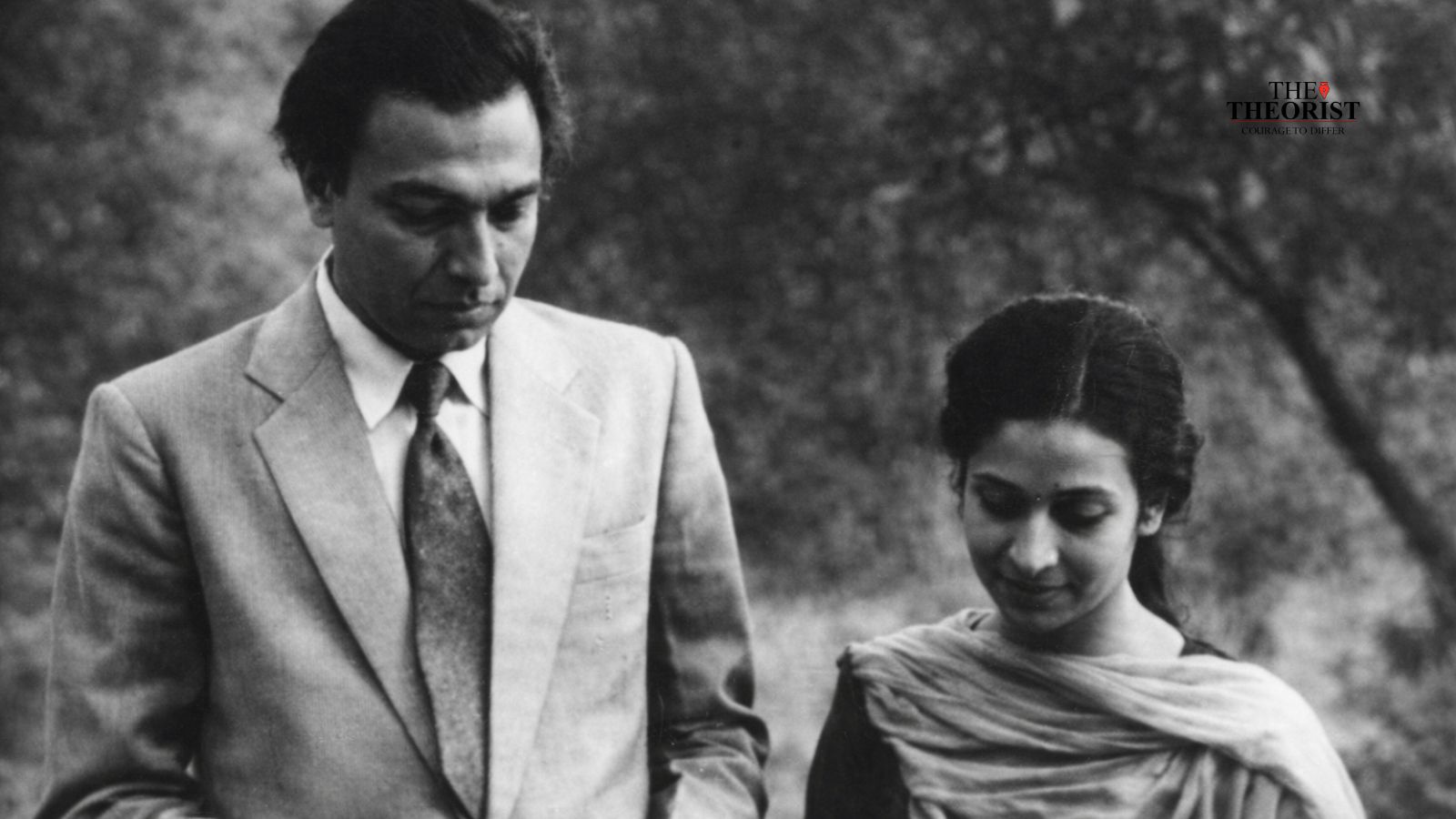
In her memoirs, Amrita Pritam later wrote about how deeply Sahir’s presence had influenced her life. (Enhanced by AI)
Circumstances, distance, and personal differences ultimately prevented them from uniting in marriage. Despite this, their bond became legendary in literary circles and is often remembered as one of the most poignant love stories in the history of Indian literature.
Sahir Ludhianvi passed away on October 25, 1980. Yet his words continue to live through poetry collections and immortal film songs that are still sung, quoted, and studied.
On his birth anniversary, admirers remember not only a gifted poet but also a voice of conscience who used literature as a tool to question injustice and celebrate humanity. Sahir’s legacy reminds us that poetry can be both beautiful and powerful—a force capable of touching the heart while awakening the mind.