Today marks the birth centenary of legendary Indian filmmaker and actor Guru Dutt. Born as Vasanth Kumar Shivsankar Padukone on July 9, 1925, in Bangalore, Dutt was a multifaceted talent in Indian cinema.
Dutt’s early life was marked by a blend of artistic inclination and personal challenges. Born into a Konkani Chitrapur Saraswat Brahmin family, he received his initial education in Calcutta (now Kolkata) and, in 1941, joined the “Uday Shankar India Cultural Centre” in Almora, where he received foundational training in the performing arts under dance maestro Uday Shankar himself.
This period was crucial, shaping his aesthetic sensibilities and preparing him for a career in films. His early exposure to the arts, combined with a strained family background—including a difficult relationship between his parents and the death of a close relative—likely influenced the melancholic themes that would later permeate his work.
A Visionary Career in Indian Cinema — Guru Dutt
Considered to be a man ahead of his time, Dutt’s film career began in 1944 as a choreographer at Prabhat Studios in Pune, where he also acted in minor roles. By 1947, he had moved to Mumbai, joining the burgeoning Bollywood industry. His directorial debut came in 1951 with Baazi, a hit urban crime thriller produced under Dev Anand’s Navketan International Films, featuring stars like Dev Anand and Geeta Bali. This success was followed by Jaal (1952), another successful film, solidifying his reputation as a director.
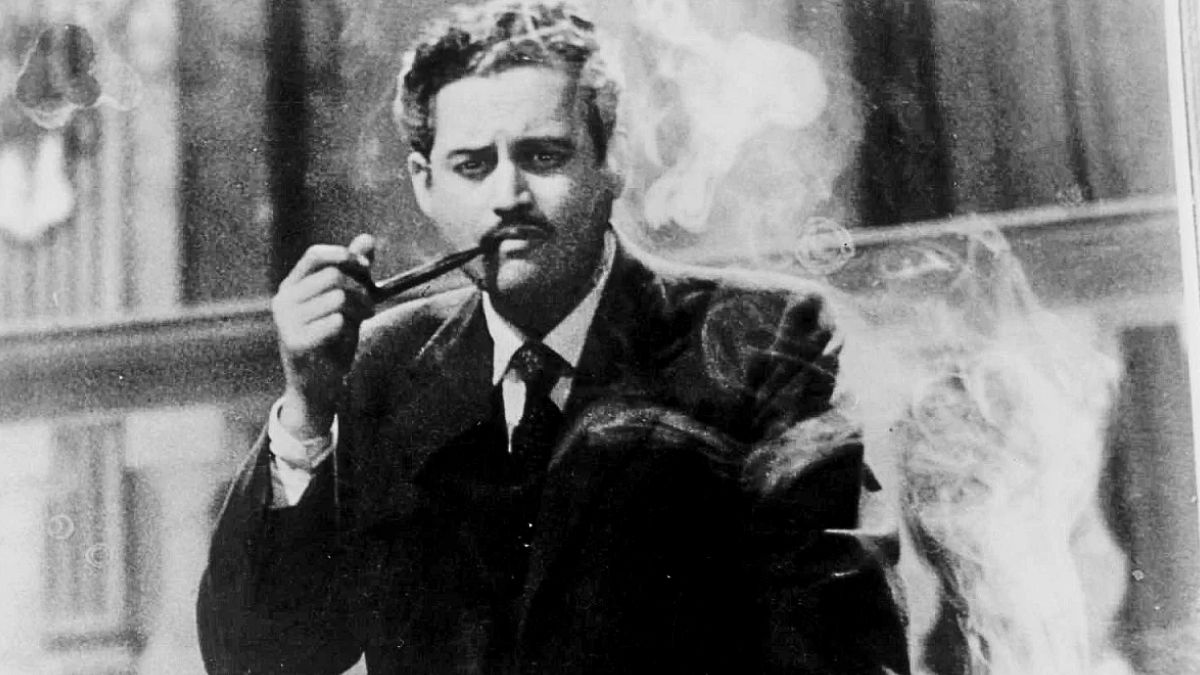
In 1953, Guru Dutt made his acting debut with Baaz, which he also directed, and later set up his own production house, ‘Guru Dutt Films Private Limited’.
In 1953, he made his acting debut with Baaz, which he also directed, and later set up his own production house, ‘Guru Dutt Films Private Limited’. Aar Paar (1954), Mr. & Mrs. 55 (1955) and C.I.D (1956) proved to be successful ventures under his production.
Cinematic Style and Collaborations
His directorial style, characterized by an imaginative use of light and shade, evocative imagery, and multiple thematic layers, set him apart. Dutt’s films often explored complex human emotions, with a particular emphasis on melancholy, as seen in his collaborations with cinematographers and music directors like OP Nayyar and SD Burman, and singers Mohammad Rafi and Geeta Dutt.
His work with actors such as Dev Anand, Rehman, Johnny Walker, and notably Waheeda Rehman, formed legendary screen partnerships, with Rehman becoming a frequent collaborator in films like Pyaasa (1957) and Chaudhvin Ka Chand (1960).
Masterpieces and Legacy
Dutt directed a total of eight Hindi films, each contributing to his reputation as one of Bollywood’s greatest stylists during its Golden Age (1950s–1960s). Pyaasa (1957), where Dutt played the role of Vijay, a struggling poet, is often cited as his magnum opus, featuring an introspective and poetic depiction of melancholy. Initially approached to Dilip Kumar for the role, Dutt took it on himself due to the former’s absence on the first day of filming, adding a personal layer to the performance.
Kaagaz Ke Phool (1959), while a box office disaster at the time, is now regarded as semi-autobiographical, reflecting Dutt’s own struggles with fame and failure, and is celebrated for its cinematography and lyrical content. It gained a cult following internationally, making its way into Time magazine’s 100 Greatest Movies list.
ALSO READ: Scarlett Johansson becomes the highest-grossing actor in history, surpassing Robert Downey Jr.
His last completed film as a producer and actor was Sahib Bibi Aur Ghulam (1962), a dark and brooding period drama, with debates suggesting he may have ghost-directed it, though the official credit went to Abrar Alvi. Dutt did not direct any films after Kaagaz Ke Phool, and his final project, Baharen Phir Bhi Aayengi (1966), was unfinished at the time of his death and completed with Dharmendra replacing him, released posthumously.
A Life of Artistic Passion and Personal Turmoil
Dutt’s personal life was as tumultuous as his cinematic narratives. He married singer Geeta Roy on May 26, 1953, who professionally became known as Geeta Dutt. The couple had a strained relationship, eventually separating, which added to Dutt’s personal struggles. Close associates, including friend Dev Anand and neighbour Nadira, noted his inability to cope with failure, often feeling he couldn’t give enough to his relationships or films, leading to engulfing depression.
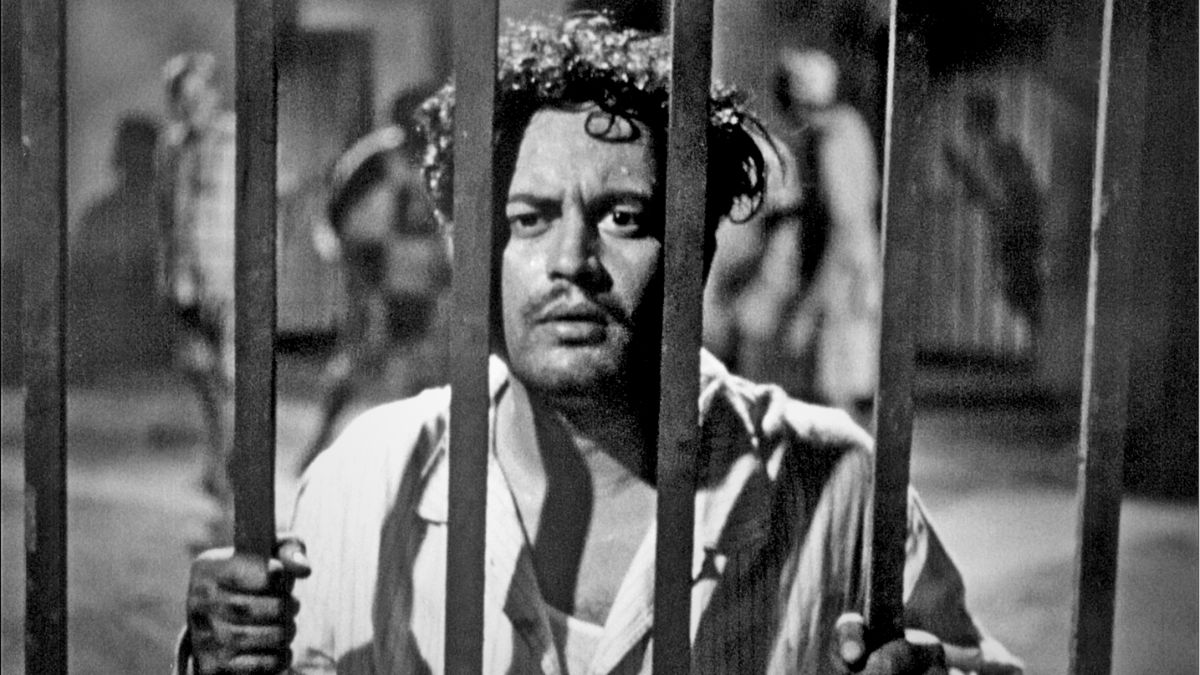
Guru Dutt’s personal life was as tumultuous as his cinematic narratives.
His death on October 10, 1964, at age 39, remains a subject of controversy. The cause is debated, with possibilities including an accidental overdose of alcohol and sleeping pills, or intentional suicide, reflecting the shroud of tragedy that overshadowed his career. This aligns with the melancholic themes in his films, which often mirrored his personal battles.
Timeless Influence on Indian Cinema
Guru Dutt’s contributions to Indian cinema have left an indelible mark, with his films frequently listed among the greatest in Hindi cinema. He was included among CNN’s “Top 25 Asian Actors” in 2012, and his work continues to influence Bollywood, known for its ability to reach the common man while maintaining artistic and lyrical depth.
His production company, ‘Guru Dutt Films Private Limited’, saw its best works during the 1950s and early 1960s, though it has been defunct since a long time. Dutt’s legacy is one of artistic brilliance tempered by personal tragedy, with his films becoming cult classics posthumously. They are celebrated for their innovative use of close-up shots, lighting, and depictions of melancholia, influencing generations of filmmakers and earning him a place as one of Indian cinema’s most revered filmmakers.