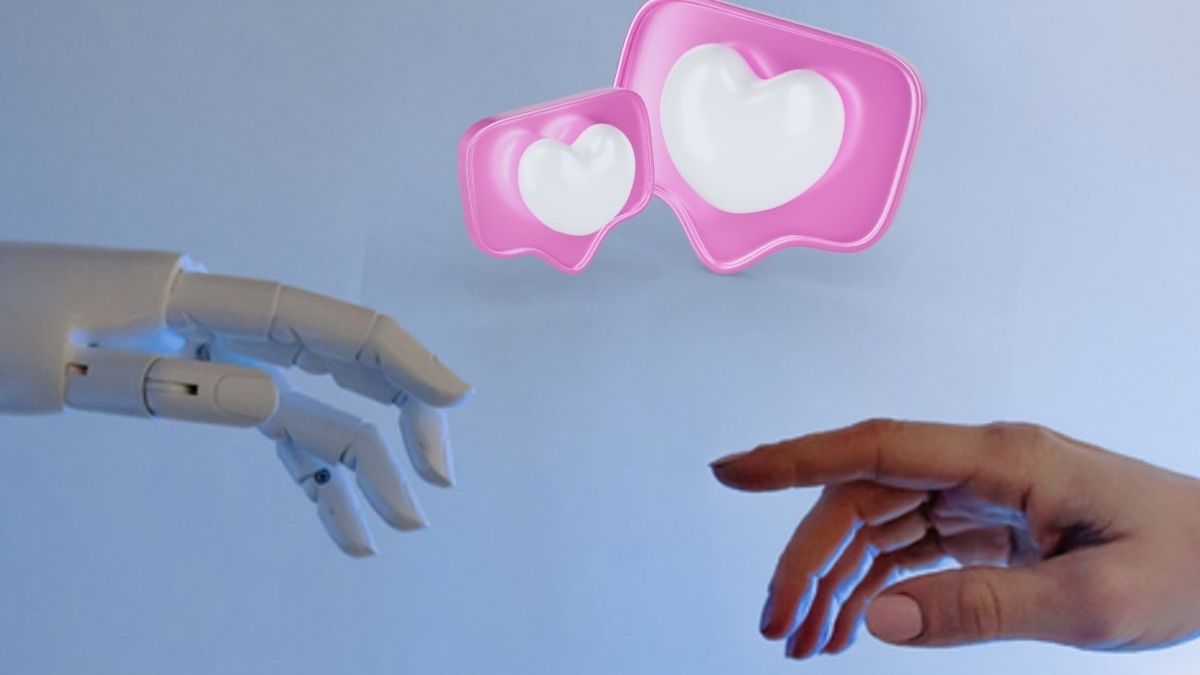
In a surprising turn that reflects the growing integration of artificial intelligence into everyday life, a casual conversation at a deli counter revealed a modern dating phenomenon: using ChatGPT to craft romantic and breakup texts.
A young man, animatedly chatting with a friend behind the deli counter, was overheard discussing his dating life and how ChatGPT had become his “closer”—not for business, but for love. From ice-breakers to “letdowns,” he openly shared how the AI chatbot is smoothing out the awkward edges of modern relationships .
This casual revelation underscores a growing trend. From job interviews and emotional support, to now dating and relationship management, AI tools like ChatGPT, Gemini, Claude AI, and Microsoft Copilot are becoming deeply embedded in the lives of Millennials and Gen Z.
The End of Ghosting?
Ghosting, long a common yet painful part of digital dating, may be losing favor. By using AI to help express difficult emotions, users may be offering a more humane form of closure—albeit artificially generated.
Also Read: Your partner doesn’t want to have sex? Here’s what is libido mismatch and how you can tackle it
Still, questions linger. Are AI-generated messages truly authentic? What happens when the recipient assumes the words came from the sender’s heart, only to later learn they were crafted by a machine? “Thank God they don’t know me,” the man joked, noting the vocabulary in the AI message didn’t even sound like him.
Digital Gallantry or Emotional Laziness?
Some might argue this approach is a step up from the silent treatment. Others worry it could signal a dangerous emotional detachment, as individuals outsource critical aspects of human interaction to machines.
Back in the 1980s, people struggled with breakups face-to-face or over the phone—uncomfortable but real. Now, AI adds a new dimension to the way we express and end relationships: clean, composed, but possibly artificially empathetic.
As AI reshapes how we live, work, and even love, one thing is clear: in the age of AI-enhanced intimacy, we might be getting better at communication—but worse at connection.