A crowdwork video from comedian Pranit More’s stand-up show has sparked widespread discussion and criticism across social media platforms. The clip, which was later removed, featured an interaction between More and an audience member.
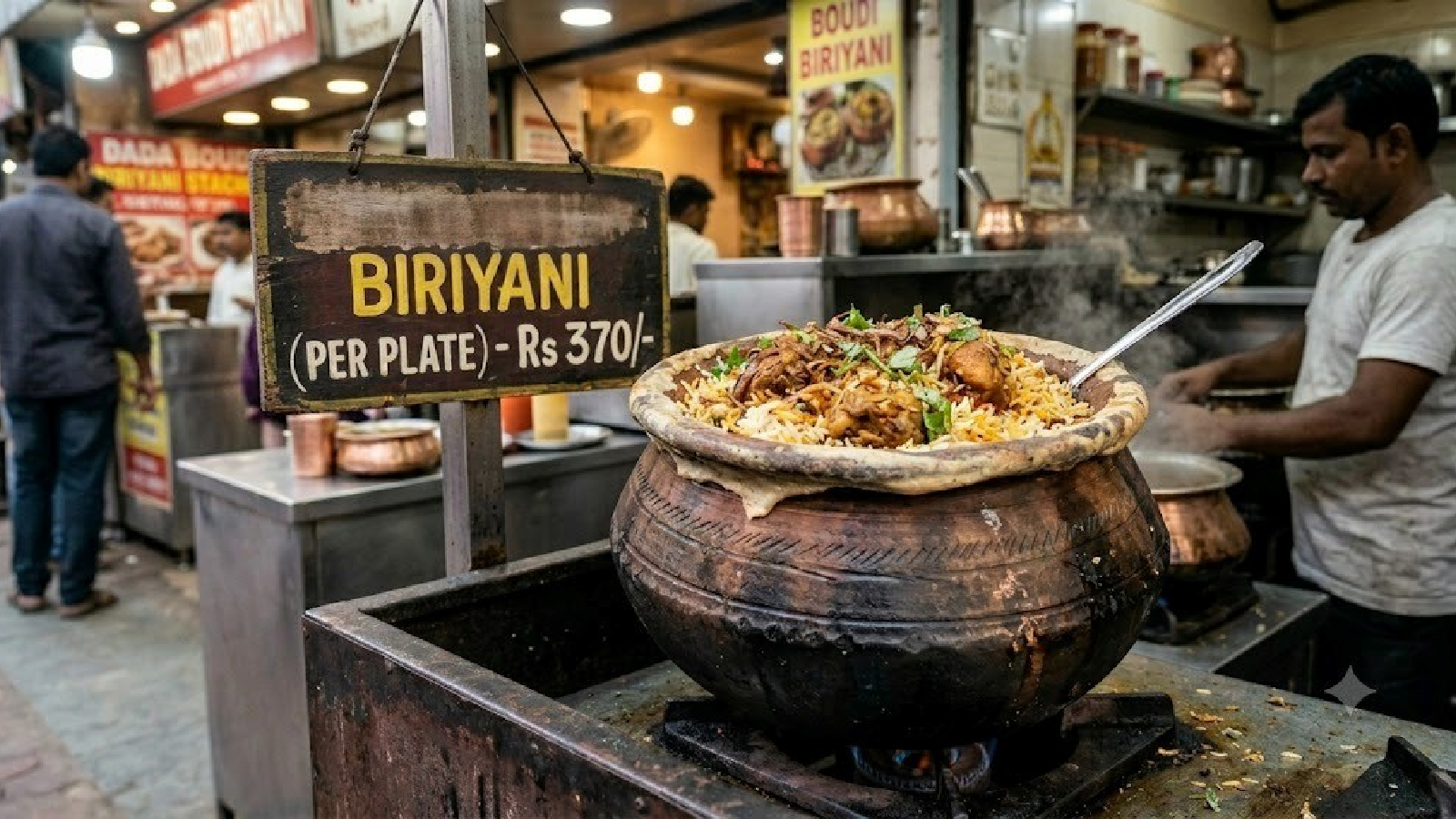
In an interaction with the standup comedian Pranit More, an audience member identified as Himanshu Jangra, a 22 year old resident of Gurugram, Haryana recounted an experience from a date where he paid Rs370 for a plate of biriyani and then when the women asked him to drop her home, he implied that his spending on biriyani justified a form of “return,” linking it to physical intimacy. Hearing this, the standup comedian laughed instead of criticising the act.
The viral conversation drew widespread criticism online, Social media users accused the performance of treating a serious issue as a source of humour rather than addressing it appropriately.
Pranit More’s apology
Following the backlash, Pranit More released a public statement acknowledging the criticism surrounding the clip. He clarified that the audience member’s comments did not reflect his personal views.
Pranit said, “I’ve seen the criticism regarding a recent crowdwork clip. The comments made by the audience member do not reflect my views. Looking back, I should have challenged the remark instead of laughing and moving on. That was a lapse in judgment on my part.”
MUST READ: Alia Bhatt stuns in Alpha. Teaser out!
He added, “I appreciate everyone who raised their concerns respectfully. I sincerely apologise for whatever happened, and I’ll take this lesson forward. I’m human, and like anyone else, I’m constantly learning.”
Social media criticism
Reacting to More’s statement that an audience member’s views do not necessarily reflect those of a creator, Kusha Kapila, a content creater and an influencer, argued that content uploaded online passes through several stages before reaching the public. She said the processes of recording, editing and promoting content involve deliberate decisions, making creators accountable for what they choose to publish.
Sharing her views on Instagram, Kapila encouraged women to openly criticise content they find objectionable. She stated that women should not hesitate to call out what they consider inappropriate comedy and expressed support for those who had already voiced concerns about the viral clip.
Kapila also urged men to actively object to comments they find problematic instead of remaining silent.
The incident generated widespread debate, with many calling for greater sensitivity when handling discussions involving consent and personal boundaries in public performances.
What did Mumbai Police say
The controversy even drew eyes of Mumbai police posting , “our lock up serves free meals with a longer stay.” “#BiryanisNotConsent”.
View this post on Instagram
Himanshu’s job termination
Amid the controversy, Founder Vivek Vishwakarma of Starvik Design shared on Instagram that the company has terminated Himanshu as what he spoke does not reflect the values of the company. He also stated that Himanshu must learn from his mistake.
He also said, he did not uncover any complaints against Jangra from colleagues. Employees reportedly described him as professional, respectful, hardworking, and well-behaved during his time at the organisation. Despite these findings, the company determined that the broader impact of the controversy had affected the workplace environment.
Vishwakarma expressed hope that Jangra would use the experience as an opportunity for self-reflection and personal development. He said accountability remains important, but society should also allow room for individuals to learn, improve, and transform after making mistakes.
The founder concluded by stressing the need to encourage positive change while maintaining standards of responsibility and respect.
Stand-up comedy has long served as a platform for humour, social commentary and personal storytelling. However, in the age of social media, jokes and crowd interactions can reach audiences far beyond live venues. As clips are widely shared online, discussions around comedic freedom, creator responsibility and ethical boundaries have become increasingly important, particularly when content touches on sensitive social issues.