Jharkhand Health Minister Dr Irfan Ansari has formally launched a comprehensive anti-drug campaign as part of the state government’s commitment to making Jharkhand addiction-free.
Speaking at a high-level workshop organized at Project Bhawan in Ranchi, Dr. Ansari reaffirmed that this initiative is being driven under the vision of Chief Minister Hemant Soren, who has taken a pledge to free the state from the grip of substance abuse.
The campaign, which commenced on June 10, will culminate with a grand event at Morhabadi Ground on June 26. The initiative includes the launch of awareness drives across all districts via specially flagged-off publicity vehicles. These mobile outreach vans will educate citizens about the harmful effects of drug addiction.
During the event, Dr Ansari also released an informational booklet on substance abuse, jointly prepared with the Home and Information & Public Relations Departments. Alongside officials and employees, the Minister took a solemn pledge to contribute toward building a drug-free India.
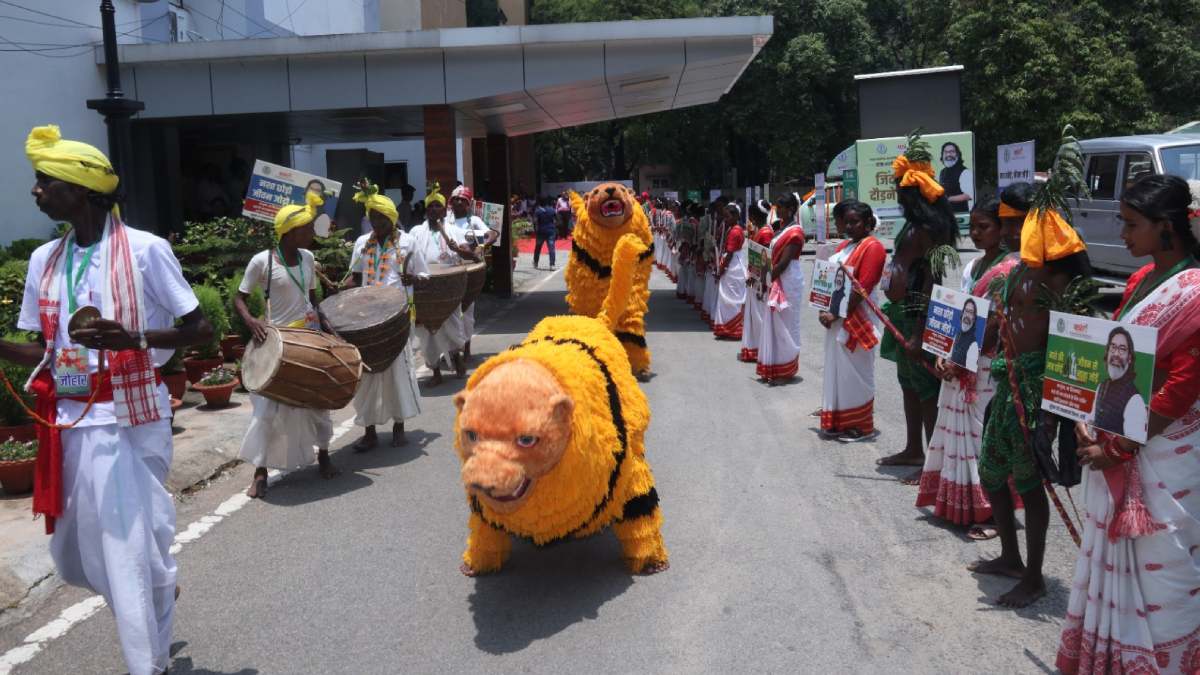
Dr Ansari emphasized that the primary goal of the campaign is to rescue youth from addiction. (Theorist photo)
Campaign Focused on Rescuing Youth from Addiction
Dr Ansari emphasized that the primary goal of the campaign is to rescue youth from addiction. The campaign will include awareness programs in schools and colleges across all districts. He noted that opium cultivation, particularly in Ranchi and Khunti, has been curbed through targeted government action. While the use of prohibited substances has seen a decline, the aim remains the complete eradication of opium farming in the state.
Large-scale destruction of illicit opium cultivation is a significant government achievement, he noted, highlighting the deep social, mental, and economic damage caused by substance abuse.
The Health Minister also shared that more than 4,000 of the 10,134 medical stores in Jharkhand are now equipped with CCTV surveillance, with installation underway in the remaining stores.
ALSO READ: Delegation meets CM Hemant Soren, demands recognition of Marang Buru as tribal religious site
He expressed deep concern over the rising number of youth addicted to substances and emphasized the need to educate people about the dangers of addictions such as chewing gutkha. “We must awaken public consciousness about the devastating consequences of drug use,” he said.
Strengthening Healthcare Infrastructure
Dr Ansari announced that Jharkhand will soon receive a new RIMS 2 facility, along with six new medical colleges and two testing laboratories, to reduce the need for residents to seek medical treatment outside the state. He stressed that addiction is the root cause of many illnesses and urged that the awareness campaign should continue year-round, not just for 14 days. He called upon the media to play a central role in disseminating awareness.
Ajay Kumar, Additional Chief Secretary, highlighted that drug abuse has permeated society like a cancer, especially affecting the youth. He called for transparent conversations and school-level interventions to raise awareness. He said that awareness must be driven through understanding rather than coercion, and that public outreach needs to begin at the high school level.
He also pointed out the rising drug trade in cities like Ranchi, Jamshedpur, Dhanbad, Palamu, and Bokaro, stressing that dismantling these networks cannot be handled solely at the police station level—it requires district- and headquarters-level coordination.
A digital portal is being developed to list all regulated drugs, and treatment for drug users will be provided at key institutions like RINPAS and CIP.
Major Breakthrough in Opium Destruction
Vandana Dadel, Principal Secretary of the Home Department, remarked that the misuse of prohibited drugs has led to financial strain, domestic violence, and even criminal behavior.
She noted that open discussion is necessary, especially as the youth remain the most affected. Jharkhand has achieved a fivefold increase in opium destruction this year, particularly in Khunti, Ranchi, and Latehar. Dadel called for collective action across all departments, including educational rallies and awareness efforts in sports and tourism centers.
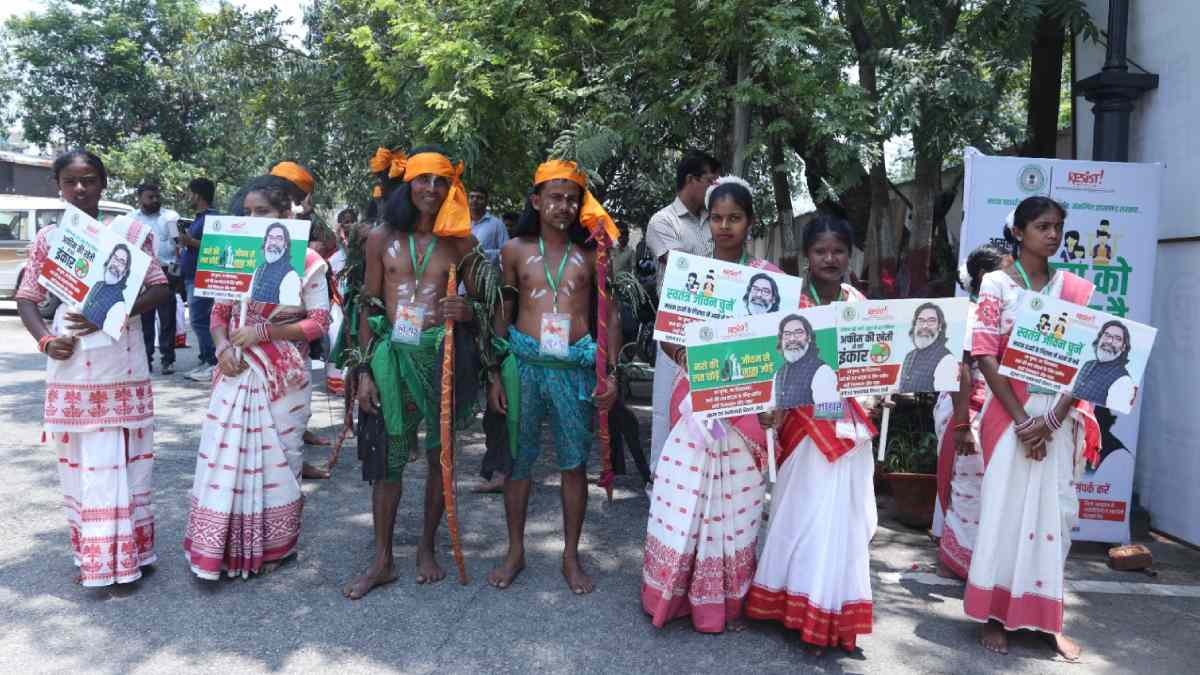
The campaign will include awareness programs in schools and colleges across all districts. (Theorist photo)
DGP Anurag Gupta praised the annual awareness efforts and warned of Jharkhand becoming a hub for opium and synthetic drugs like brown sugar and heroin. He stressed that supply and demand reduction must go hand-in-hand. Drugs entering from neighboring states must be intercepted, and offenders involved in opium cultivation, brown sugar, or cannabis trade will face severe legal consequences, including imprisonment.
Behavioral Research and School Outreach
Rahul Purwar, Principal Secretary of Higher Education, emphasized the importance of cutting off drug supply chains near educational institutions. He suggested that behavioral studies be conducted to understand why children begin drug use, and proposed educational programs focusing on access, technology, and behavior change. Collaboration across departments is crucial to prevent narcotics from reaching minors.
Sunil Kumar, Principal Secretary of Urban Development, noted that children often turn to drugs due to mental stress and social factors. He called for all departments to work in sync to address every dimension of the issue. Today’s workshop, he said, aimed to strategize on public awareness and department-level participation for effective prevention.
Supply Chain Mapping and Enforcement
Aseem Vikrant Minz, IG of the Crime Research Department, used a detailed PPT to highlight high drug-use districts like Ranchi, Khunti, Chaibasa, Chatra, Hazaribagh, Latehar, and Palamu.
ALSO READ: Jharkhand looks to deepen ties with Spain: High-level meeting held
He presented data on criminal cases and drug seizures, particularly involving opium, cannabis, and brown sugar. So far, 27,015.035 acres of illegal opium cultivation have been destroyed across the state. Authorities have also confiscated properties of drug traffickers and formed an Anti-Narcotics Task Force. A statewide campaign involving NGOs, local leaders, and various departments has been initiated.
Jharkhand’s Anti-Drug Work Praised by Centre
NCB Ranchi Zonal Director Abhishek Anand noted the ancient roots of drug use but highlighted the growing abuse today. He praised Jharkhand’s outstanding record in opium destruction, noting that the state accounts for 20% of all narcotics destruction in India. The government’s primary goal, he stated, is to instill a sense of repulsion toward drugs among the public.
Dr. Sajal Ashish Nag, Assistant Professor at RINPAS, explained how youth often begin drug use due to peer pressure, mental stress, and lack of awareness. He described behavioral changes like lack of focus in studies and suicidal tendencies that result from addiction. He also outlined preventive strategies and emphasized that RINPAS actively treats and rehabilitates drug-dependent individuals.
The workshop was attended by Tourism Secretary Manoj Kumar, Social Welfare Secretary Manoj Kumar, School Education Secretary Uma Shankar, along with several police officials, departmental heads, and dignitaries.