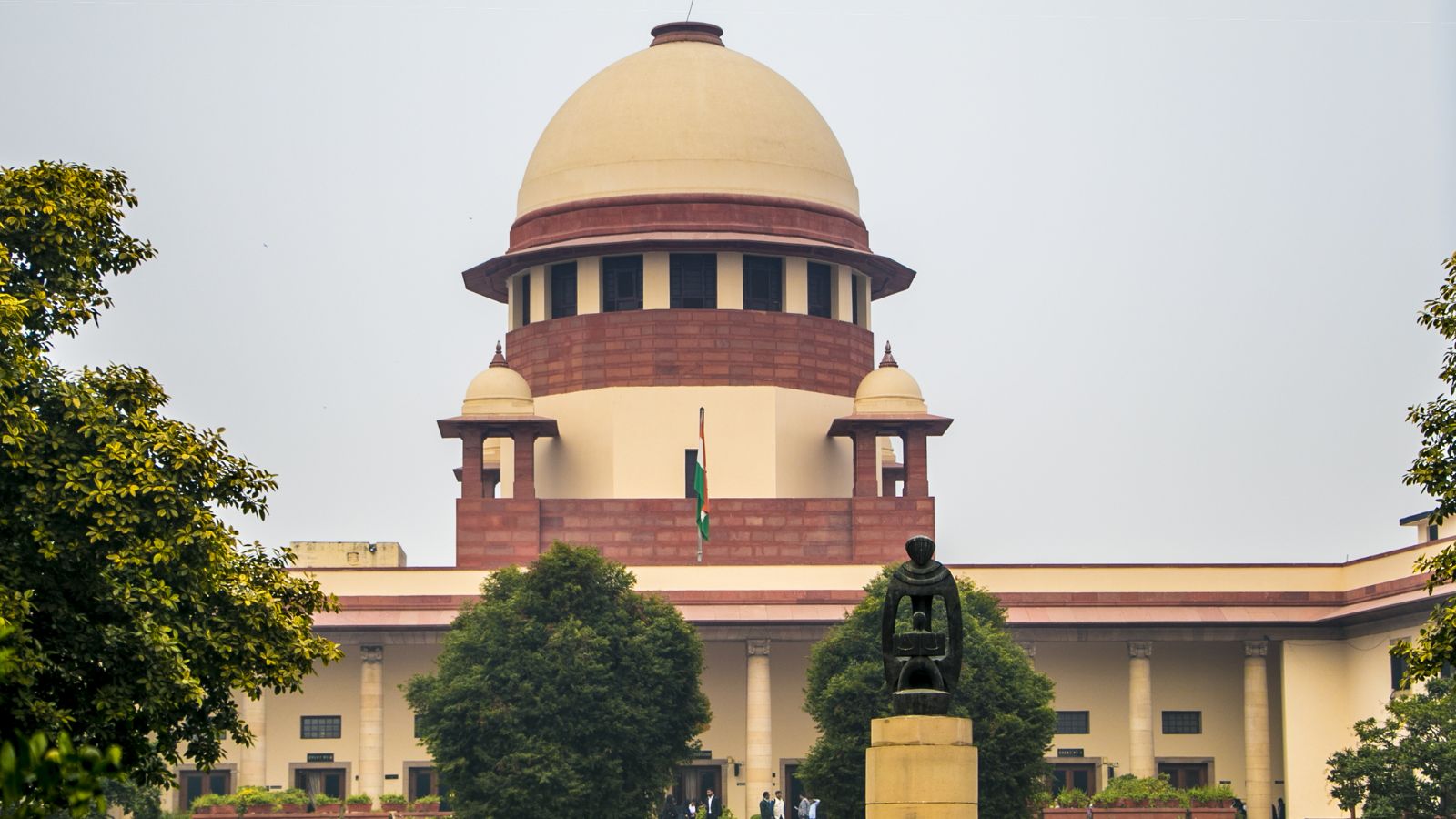
The Supreme Court of India has issued a circular introducing a series of fuel-saving and work-management measures, including virtual hearings on miscellaneous days, car-pooling among judges and limited work-from-home arrangements for staff, amid the ongoing West Asia crisis and Prime Minister Narendra Modi’s recent call for fuel conservation.
The circular, issued by Supreme Court Secretary General Bharat Parashar on May 15, stated that the measures have been implemented with immediate effect following an Office Memorandum issued by the Union government’s Department of Personnel and Training on May 12.
Under the new directions, matters listed on miscellaneous days such as Mondays and Fridays, as well as cases taken up during partial working days of the court, will now be heard exclusively through video conferencing. The circular directed the Registry to ensure timely sharing of video conferencing links, stable technical infrastructure and prompt assistance to avoid inconvenience during hearings.
The move is aimed at reducing physical movement and ensuring optimum utilisation of resources at a time when the Centre has been emphasising fuel conservation measures amid uncertainty linked to the West Asia crisis.
Supreme Court Judges To Encourage Car-Pooling
The circular also said that the judges of the apex court had “unanimously resolved” to encourage car-pooling arrangements “to ensure optimum utilization of fuel.”
The decision comes in the backdrop of Prime Minister Modi’s recent remarks urging citizens and institutions to avoid unnecessary fuel consumption and adopt measures that can help conserve energy resources amid the evolving geopolitical situation in West Asia.
In another administrative step, the court allowed up to 50 per cent of staff in each branch or section of the Registry to work from home for up to two days a week until further orders. The circular clarified that the remaining staff would continue to remain physically present in office to ensure uninterrupted functioning of the court administration. Concerned Registrars have been directed to prepare weekly rosters before the start of every week.
The circular further stated that employees working from home must remain available over telephone and be ready to attend office whenever required. Officials were also instructed to ensure timely completion of assigned tasks. Registrars were also given authority to restrict or modify work-from-home arrangements if such measures were found impractical for essential branches or sections.
The circular has been shared with officials of the apex court, the Supreme Court Bar Association and the Supreme Court Advocates-on-Record Association for wider dissemination among members and staff.