India Destroys Pakistan’s HQ-9 Radar In Lahore | In a sharp escalation following Operation Sindoor, the Indian Armed Forces on Thursday destroyed Pakistan’s key air defence installations, including the Chinese-made HQ-9 missile system deployed in Lahore, using Israeli-origin HAROP kamikaze drones.
The strike was part of a precision military response after Pakistan attempted to launch coordinated drone and missile strikes on 15 Indian military bases, including key airfields in Jammu, Srinagar, Amritsar, Pathankot, Ludhiana, Bhuj, and Chandigarh, late on Wednesday night.
HQ-9 Radar in Lahore Destroyed, S-400 Intercepts Pak Drones
Government sources said the Indian retaliation was carefully calibrated and “matched in intensity and domain.” In Lahore, explosions near Walton Airport triggered sirens and panic, with residents fleeing their homes as clouds of smoke billowed over the city.
The targeted radar site was adjacent to Lahore’s central business district and military cantonment.
According to the statement, India’s elite S-400 ‘Sudarshan Chakra’ air defence system, developed by Russia, intercepted and neutralised all incoming threats from Pakistan, including drones and short-range missiles.
ALSO READ: Sirens blare amid Lahore explosions, reports claim IAF drone carried out blasts
The S-400 can track targets 600 km away and simultaneously engage multiple aerial threats, ensuring zero damage to Indian assets.
India’s HAROP Drones Cripple Pakistan’s Defence in Multiple Cities
Sources revealed that Indian forces launched HAROP loitering munitions, which destroyed Pakistani air defence infrastructure in Lahore and possibly other cities. The drones were used with pinpoint precision, targeting radar and missile control systems without harming civilian infrastructure.
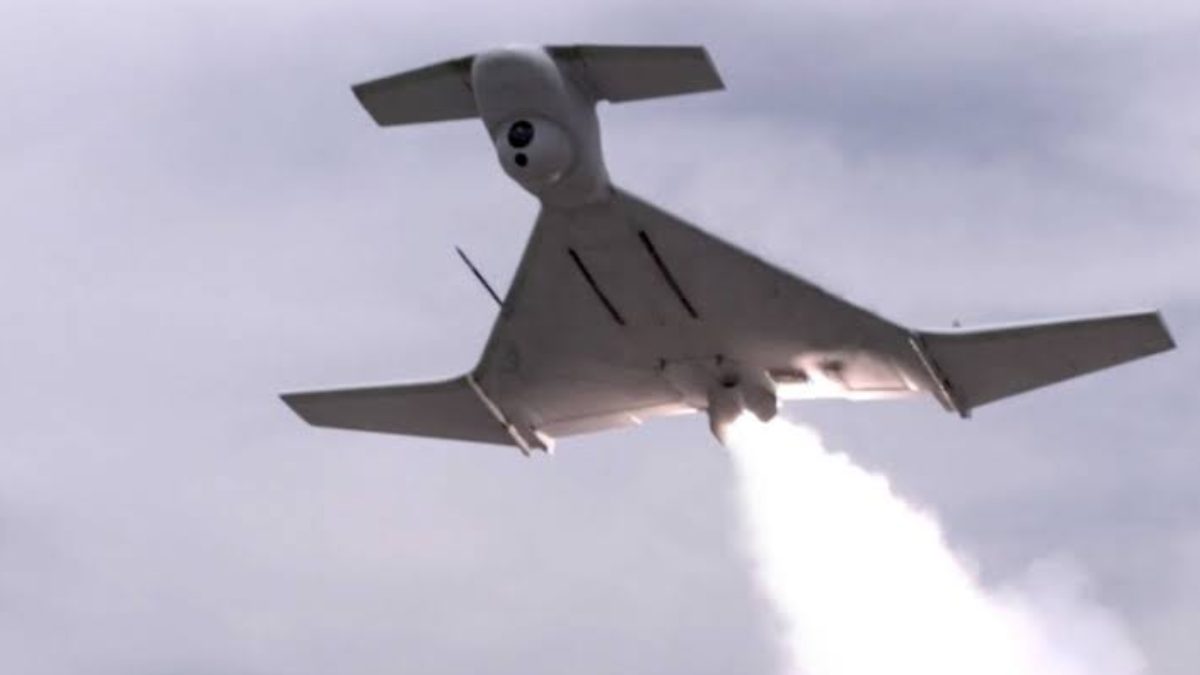
According to unverified reports, the strike was reportedly carried out by IAF’s Harop drones. (Representational Image)
Pakistan’s military had earlier claimed that 13 Indian drones had been intercepted, with one crashing near Lahore and others downed across Karachi, Rawalpindi, Gujranwala, Chakwal, Miano, Bahawalpur, and Attock. However, Indian defence officials dismissed these claims as propaganda, stating that the primary objective — neutralising Pakistan’s defensive radar capability — was achieved.
Pakistan’s Retaliatory Attack Fails: India Responds to Cross-Border Shelling
In addition to airspace incursions, Pakistan carried out heavy artillery and mortar shelling across the Line of Control (LoC), killing 16 civilians, including five children and three women in Indian border villages. “India was compelled to respond proportionately to bring Pakistan’s shelling to a halt,” the government said.
ALSO READ: Pakistani intruder killed in Punjab, BSF says he ignored multiple warnings
Meanwhile, India reiterated its commitment to de-escalation, but warned it would not hesitate to act again if provoked. “The Indian armed forces reiterate their commitment to non-escalation, provided it is respected by the Pakistani military,” the official statement added.
Background: Operation Sindoor Strikes Terror Camps
The latest escalation follows the Indian Air Force and Army’s coordinated 25-minute blitz on nine terror camps in Pakistan and PoK under Operation Sindoor, carried out in retaliation for the Pahalgam terror attack that killed 26 civilians in Jammu and Kashmir.
Precision strikes, using SCALP cruise missiles, HAMMER bombs, and Rafale jets, eliminated over 100 terrorists affiliated with Jaish-e-Mohammed (JeM) and Lashkar-e-Taiba (LeT). India presented satellite and drone footage as evidence, although Pakistan continues to deny the presence of terror camps and has accused India of civilian casualties — claims New Delhi has categorically rejected.
ALSO READ: 4 kids, soldier among 13 dead in Pakistan artillery shelling; J&K’s Poonch worst hit
As Pakistan’s Prime Minister Shehbaz Sharif called India’s actions “an act of war,” Indian officials maintain that all operations are measured and within international legal norms, aimed strictly at counter-terror objectives.
Meanwhile, commercial flight operations at Lahore, Karachi, and Sialkot airports remain suspended, and emergency protocols are reportedly in place across Pakistani military facilities.
As international observers watch closely, India continues to hold back from full military escalation — but with a clear message: “Terror will be answered with force, not silence.”



