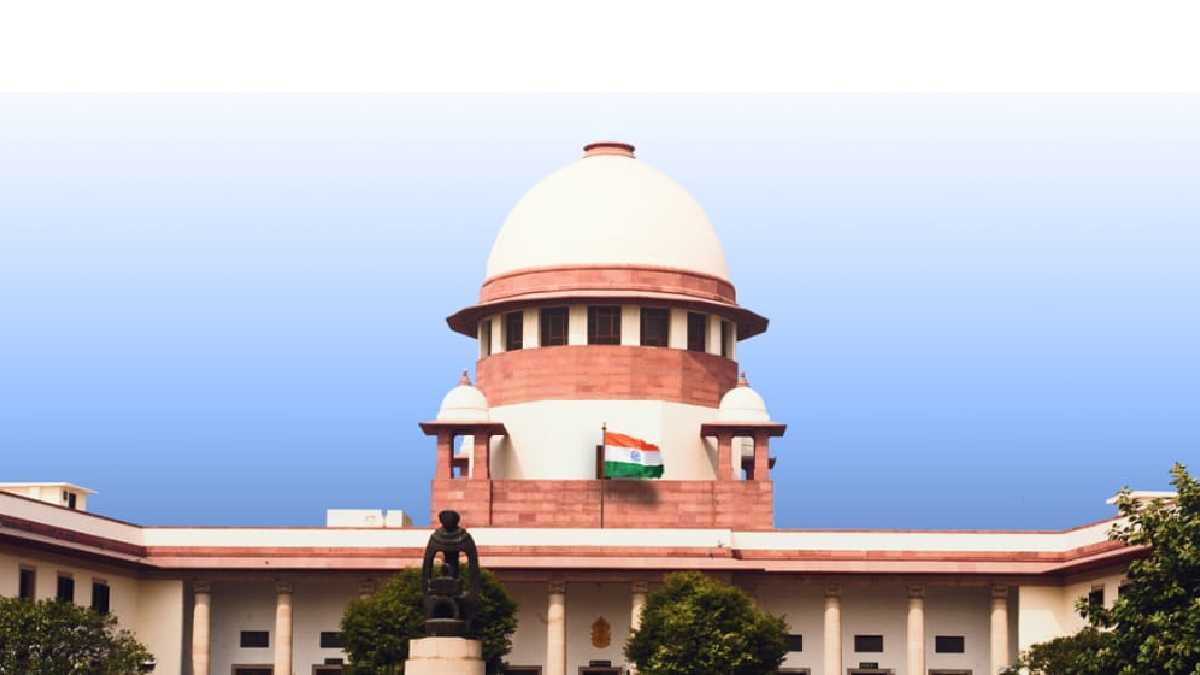
The Supreme Court has refused to accept the West Bengal government’s request to stop the live streaming of proceedings in the case involving the rape and murder of a trainee doctor at R G Kar Medical College and Hospital in Kolkata on August 9. The ruling came on Tuesday, with a three-judge bench headed by Chief Justice of India D Y Chandrachud asserting, “We will not stop this.”
The request was made by Senior Advocate Kapil Sibal, representing the Bengal government. Sibal voiced concerns about the implications of live streaming sensitive cases, stating, “Your Lordships took suo motu cognisance of the matter to find out what is happening on the ground. Now, what happens is if you live stream matters like this… which have huge emotive implications… We are not for the accused; we are only called upon to tell you what the state has done.”
Sibal also expressed concern about how live streaming could affect the reputations of those involved. Referring to reports claiming he laughed during an earlier hearing on August 22, Sibal defended himself, saying, “I was not laughing at what had happened. It is the most heinous crime that was committed.”
Despite these arguments, the Supreme Court maintained its position on live streaming. The court, which reviewed the Central Bureau of Investigation’s (CBI) status report, chose not to disclose details, citing potential jeopardy to the ongoing investigation. “Making a disclosure today about what CBI is doing will jeopardize the course of the investigation,” said Chief Justice Chandrachud.
ALSO READ: Kolkata Police Commissioner, top health dept officials to be removed by Bengal govt today by 4 pm: Mamata Banerjee
He further assured that the CBI’s line of inquiry aims to uncover the “absolute truth” and any further evidence beyond the already arrested individuals.
The case has stirred strong emotions in Kolkata and across India. The arrest of the hospital’s principal and the Station House Officer (SHO) of Tala Police Station, now in CBI custody, has drawn significant public and media attention.
During the proceedings, the Supreme Court also addressed the issue of the victim’s name appearing on Wikipedia. The court directed the removal of the name, acknowledging that while the state government had requested Wikipedia to do so, it had refused, citing concerns over censorship. Solicitor General Tushar Mehta clarified, “It is not censoring, but asking not to commit an offence under Indian law.”