Pakistan has claimed responsibility for a series of overnight “precision airstrikes” across Afghanistan, escalating already tense relations between the two neighbours. The strikes were carried out as part of Operation Ghazab lil Haq, which Islamabad says was launched in response to cross-border militant activity.
`
According to Information Minister Attaullah Tarar, the operation targeted what Pakistan described as “terrorist infrastructure” in Kabul and Nangarhar. He stated that military installations, ammunition depots, and logistical facilities linked to militant groups were successfully destroyed.
Tarar said visible secondary explosions following the strikes indicated the presence of large weapons stockpiles. He further claimed that dozens of militant sites have been neutralised since the operation began in late February.
Kabul Accuses Pakistan of Hitting Civilian Hospital
However, the Afghan government has strongly rejected Pakistan’s version of events, accusing it of targeting a civilian medical facility in Kabul.
Deputy government spokesperson Hamdullah Fitrat alleged that the strikes hit a drug rehabilitation centre, causing catastrophic civilian casualties. According to his statement, at least 400 people were killed, while hundreds more were injured.
MUST READ: Ali Larijani killed in Israeli strikes, Mojtaba reportedly injured
He added that large portions of the hospital complex were destroyed, with rescue teams continuing to search for victims trapped under the rubble. Reports suggest that multiple buildings within the facility were flattened during the bombardment.
Conflicting Narratives Deepen Crisis
While Kabul has described the incident as a humanitarian disaster, Islamabad has firmly denied targeting civilians. Pakistani officials insist that all strikes were “precise and carefully executed” to avoid collateral damage.
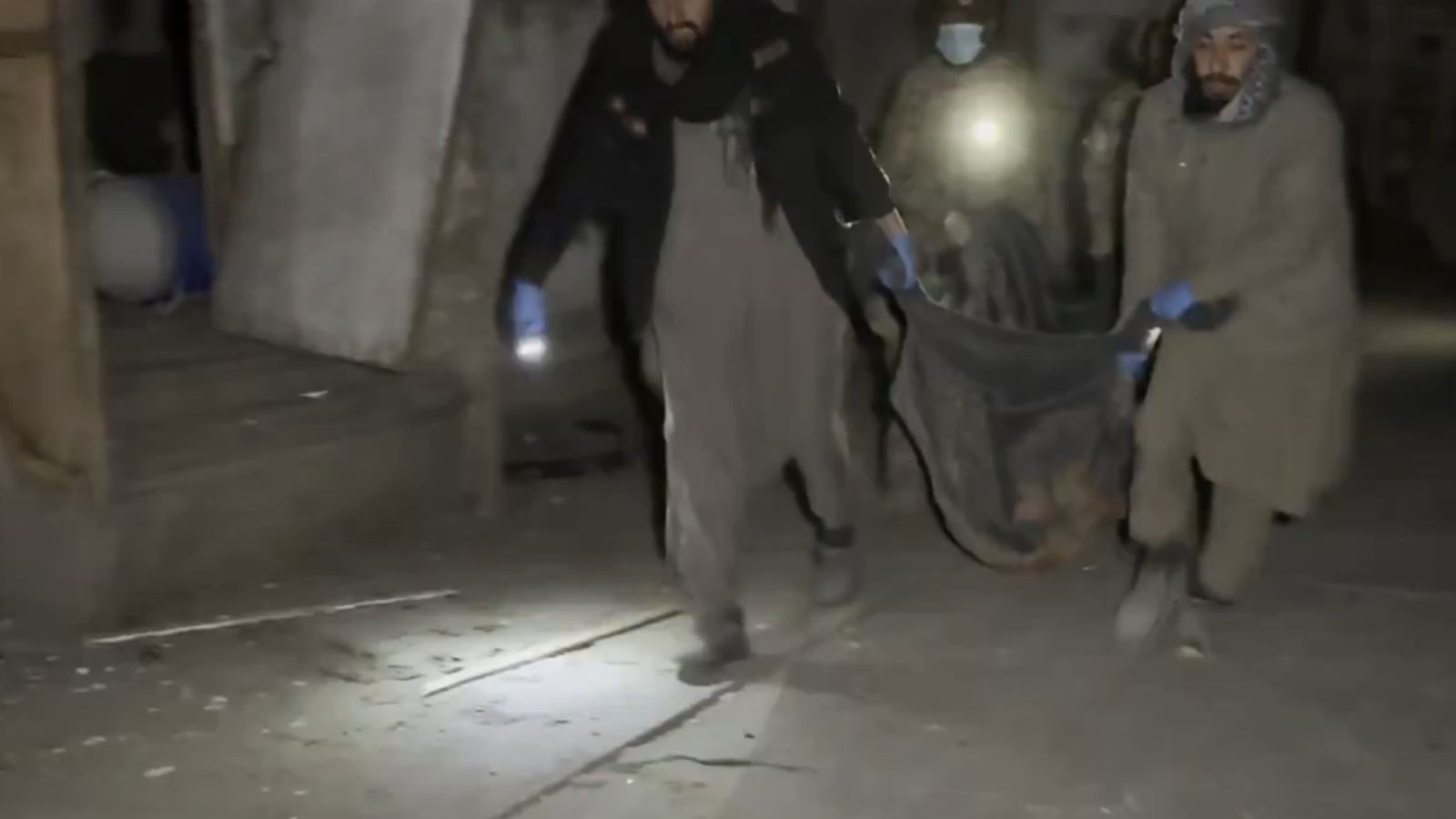
, the Afghan government has strongly rejected Pakistan’s version of events, accusing it of targeting a civilian medical facility in Kabul. (Theorist photo)
Tarar dismissed the Afghan claims as misinformation, asserting that the targeted locations were being used to support cross-border militancy. He also reiterated that facilities linked to Tehreek-i-Taliban Pakistan (TTP)—referred to by Pakistan as “Fitna al-Khawarij”—were among those hit.
Pakistan’s Ministry of Information further stated that post-strike detonations confirmed the presence of ammunition, contradicting the claim that the site was purely civilian in nature.
Strikes Extend to Nangarhar and Border Regions
In addition to Kabul, Pakistani forces reportedly carried out strikes in Nangarhar province, targeting multiple installations believed to be linked to militant operations.
Security sources indicated that drone assembly workshops, weapons storage units, and operational headquarters were among the sites destroyed. Some reports also claimed that the facilities were being used to launch drone attacks across the border.
Earlier operations were also conducted along the Pakistan-Afghanistan border, including in regions adjacent to Khyber Pakhtunkhwa, where several militant hideouts were reportedly eliminated.
Rising Tensions and Threat of Retaliation
Senior Afghan officials have condemned the strikes in strong terms. Deputy Interior Minister Muhammad Nabi Omari accused Pakistan of deliberately targeting Afghan civilians, calling the attack part of a broader pattern of aggression.
Meanwhile, Taliban spokesperson Zabihullah Mujahid warned that Afghanistan would respond decisively, raising fears of further escalation in the region.
Casualty Claims and Military Impact Remain Disputed
Pakistan has released figures claiming significant militant losses, including hundreds of operatives killed and numerous military assets destroyed. However, these claims remain independently unverified.
At the same time, Afghan authorities continue to report heavy civilian casualties, with ongoing rescue efforts indicating the toll could rise further.
The starkly contrasting narratives from both sides have made it difficult to establish a clear picture of what transpired, as international observers call for verification and restraint.