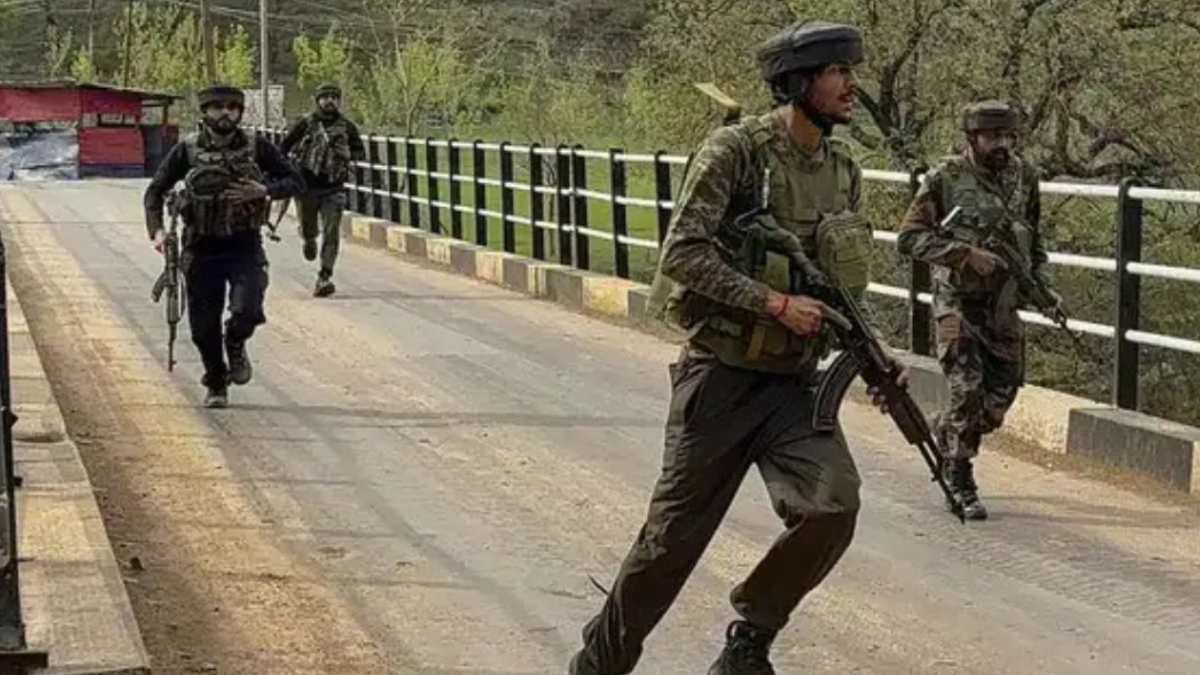
In a sweeping security response to last week’s devastating terror attack in Pahalgam that left 26 civilians dead, the Jammu and Kashmir administration has shut down 48 of the 87 identified tourist destinations across the Kashmir Valley. This decisive move follows credible intelligence inputs warning of imminent terror strikes on non-local civilians, security forces, and vulnerable infrastructure.
Meanwhile multiple reports say sleeper cells across North, Central, and South Kashmir have been activated following the April 22 Pahalgam attack. Communication intercepts suggest these cells have been instructed to carry out fresh strikes, particularly targeting non-locals, CID personnel, Kashmiri Pandits, and railway staff.
“In light of the recent militant attack on tourists… militant organisations are actively planning attacks targeting security forces and non-local individuals,” the intelligence alert stated. Intelligence officials also suspect Pakistan’s spy agency ISI is orchestrating plans for selective killings and a large-scale retaliatory attack, likely in Srinagar and Ganderbal districts.
Railways, Pandits, CID on High Alert
The intelligence warning highlights the vulnerability of the Valley’s railway infrastructure, which employs a significant number of non-local personnel.
Authorities have advised railway employees to remain confined to designated camps and avoid unnecessary movement.
This latest threat comes amid reports that the Pahalgam carnage has triggered a wider crackdown on terrorism in the region.
ALSO READ: ‘Not today’: Omar Abdullah refuses to demand J&K statehood citing Pahalgam terror attack
Security agencies have launched extensive search operations, coordinated raids, and arrested dozens of suspects linked to terror networks or radical sympathies.
Tourist Spots Shut, Security Heightened in Gulmarg, Sonamarg, Dal Lake
In response to the heightened threat level, the government has deployed anti-fidayeen units, especially from the Special Operations Group (SOG) of Jammu and Kashmir Police, to major tourist hubs such as Gulmarg, Sonamarg, and the Dal Lake area in Srinagar. Uniformed personnel are patrolling resorts, transport stations, and key public locations, while sniffer dogs and bomb disposal squads have been stationed at sensitive zones.
ALSO READ: WATCH: Pahalgam zipline operator’s ‘Allahu Akbar’ chant makes netizens ask ‘was he involved?’ NIA summons him for questioning
The decision to close 48 tourist sites was made to ensure public safety, especially as a steady trickle of tourists had begun returning to the Valley, including Pahalgam, after an initial mass exodus following the April 22 attack.
NIA Probes Pahalgam Attack, Recreates Crime Scene
The National Investigation Agency (NIA), which is leading the probe into the Pahalgam terror strike, has initiated an on-site investigation and recreated the crime scene for forensic examination. The agency plans to question multiple local workers, including staff from the popular zipline facility in Baisaran Valley, where the terrorists opened fire.
Survivors, including Gujarati tourist Rishi Bhatt — whose video captured visuals of the attackers — are also being called in to assist with identifications. Bhatt’s footage has become a key piece of evidence in the hunt for both the local and foreign terrorists involved in the massacre.
What happened on April 22?
On April 22, heavily armed terrorists believed to be affiliated with Pakistan-based outfits ambushed tourists in Baisaran Valley, a well-frequented hilltop near Pahalgam. The attackers asked victims for their religion before opening indiscriminate fire, killing 26 people, including women and children. One local Kashmiri who tried to shield the tourists also died heroically in the attack.
The massacre marked one of the deadliest attacks on civilians in recent memory and has triggered an unprecedented security and diplomatic escalation between India and Pakistan.