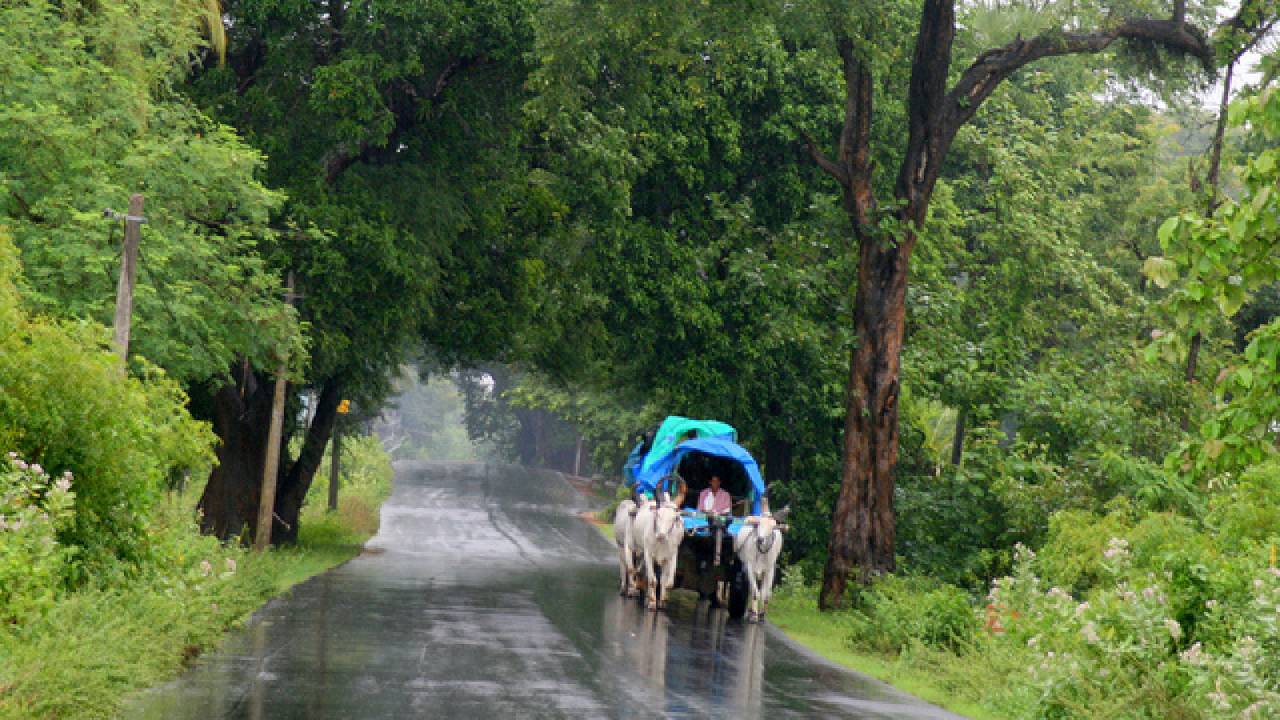
The Southwest Monsoon has reached Kerala, marking the start of India’s annual rainy season after a delay of around three days from its normal onset date. Earlier India Meteorological Department (IMD) predicted the Southwest monsoon to arrive in Kerela, late in this week around June 5 and 6.
The arrival of the monsoon is a significant development for the country, as it plays a critical role in supporting agriculture and rural livelihoods. After entering Kerala, the monsoon is expected to advance gradually northward, covering large parts of the country by mid-July.
According to the agriculture ministry, rainfall during the monsoon season contributes substantially to agricultural production. Nearly half of India’s population depends on farming and related activities for their livelihood, making the progress of the monsoon closely monitored by farmers, policymakers and businesses.
Why is southwest monsoon important
The arrival of the Southwest Monsoon is a key event for India’s agriculture sector, as it supplies the rainfall needed for sowing and nurturing crops across vast farming regions. Timely monsoon showers help replenish reservoirs, rivers and groundwater resources, ensuring adequate irrigation throughout the growing season. Good rainfall can improve agricultural output, strengthen rural incomes and support food security. Since a large section of the population depends on farming, the monsoon remains an important driver of economic activity in rural India.
Prior to the onset, the India Meteorological Department (IMD) had indicated that weather conditions were becoming favourable for the monsoon to advance into additional areas of the Arabian Sea, Bay of Bengal, Lakshadweep, Kerala, Tamil Nadu and adjoining regions. The weather agency also forecast thunderstorms accompanied by strong winds across several parts of north-west, central, eastern and southern India.