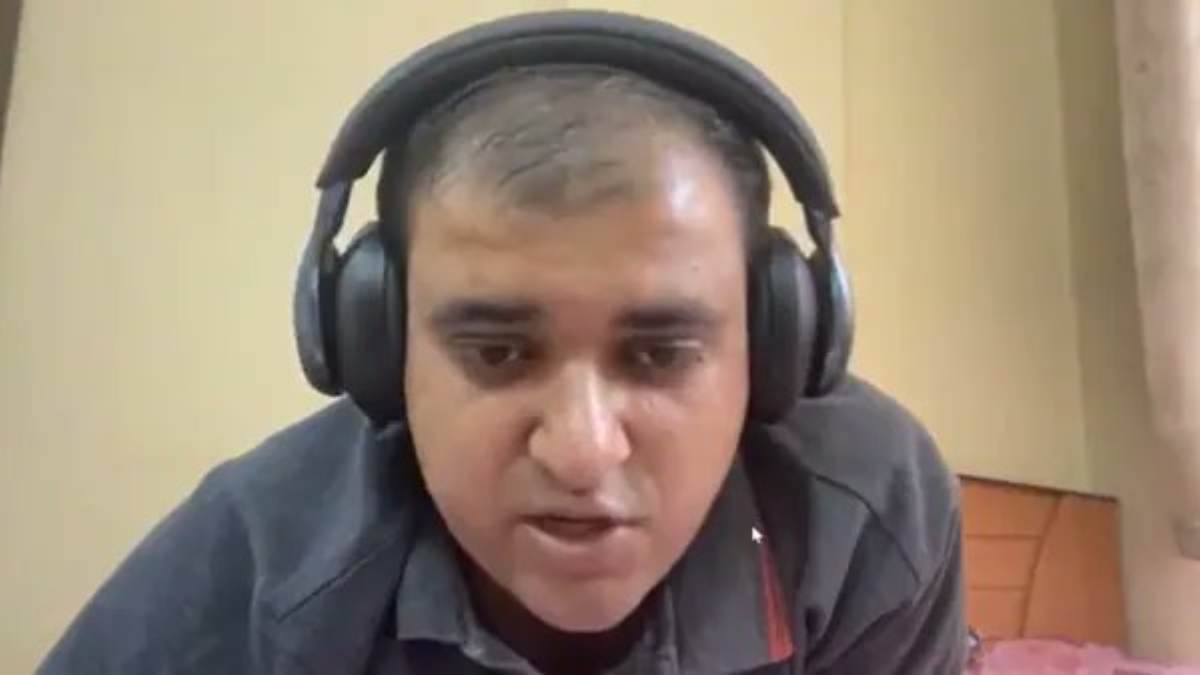
The tragic suicide of Atul Subhash, a 34-year-old Bengaluru-based software engineer originally from Uttar Pradesh, continues to unravel complex layers of alleged harassment and legal disputes. Atul’s parents have expressed outrage, claiming their son endured mental and financial torment that ultimately led to his death.
Atul’s parents revealed that their son had to shuttle between Bengaluru and Jaunpur, Uttar Pradesh, for prolonged court proceedings. Atul’s mother, anguished and distraught, stated, “They tortured my son; they tortured us too.”
According to the family, Atul’s monthly salary of Rs 84,000 was significantly strained as he was allegedly pressured to pay Rs 40,000 as maintenance, leaving him with only Rs 44,000 to cover his expenses.
The Tragic End
Atul left behind a 24-page suicide note and an 81-hour video documenting his experiences. His death has sparked an outcry and prompted a detailed investigation by Bengaluru’s Marathahalli Police. An FIR has been filed against four members of his father-in-law’s family under Section 108 (Abetment to Suicide) and Section 3(5) of the Bharatiya Nyaya Sanhita (BNS) Act. Both are non-bailable offenses.
Atul’s suicide note accuses his estranged wife, Nikita Singhania, and her family of harassment. He claims they filed false cases against him, including allegations of dowry demands, unnatural sex, and murder. The note also details the financial and emotional toll of the court battles in Uttar Pradesh and highlights demands for luxury items from his wife’s family.
ALSO READ: ‘All allegations are baseless…my daughter cannot’: Dead Bengaluru techie’s mother-in-law reacts
The couple—who met on a matrimonial site in 2019—had a son in 2020. However, their relationship reportedly soured when financial disputes escalated, leading Nikita to leave their child with Atul in 2021.
Lawyer and Advocate Perspectives
Defending lawyer claims both Atul and Nikita earned well and emphasized that the court did not award maintenance to Nikita due to her financial independence. Highlighting systemic issues, Advocate On Record (AOR) from the Supreme Court stressed that prolonged court proceedings often feel punitive, even before a verdict is reached.
Criminal lawyer Vikas Pahwa called for legal reforms to address misuse of Section 498A, which deals with dowry harassment. He described the issue as “very serious” and advocated for stronger safeguards for men facing false allegations.
Investigative Steps
Authorities are thoroughly examining:
- Court documents and evidence.
- The sequence of events leading up to Atul’s suicide.
- Claims made in Atul’s note and video.
- Statements from both families.
ALSO READ: Supreme Court warns against weaponization of laws meant to protect women amid Atul Shubhash suicide case
In an interview to a media house, Atul’s mother-in-law refuted the allegations, stating, “Atul Subhash has taken out his frustration on us.” She labeled the claims as “baseless” and promised to present evidence to prove their innocence.
Nikita’s uncle, Sushil Kumar, also denied the accusations, stating, “Nikita is not here right now, but she will answer every question when she returns.” He maintained that the family had no contact with Atul’s side during the three-year-long court case.
The Way Forward
As the investigation continues, the focus remains on unraveling the truth. Atul’s case underscores the emotional and legal challenges faced by individuals in prolonged marital disputes, bringing to light the urgent need for systemic reforms.