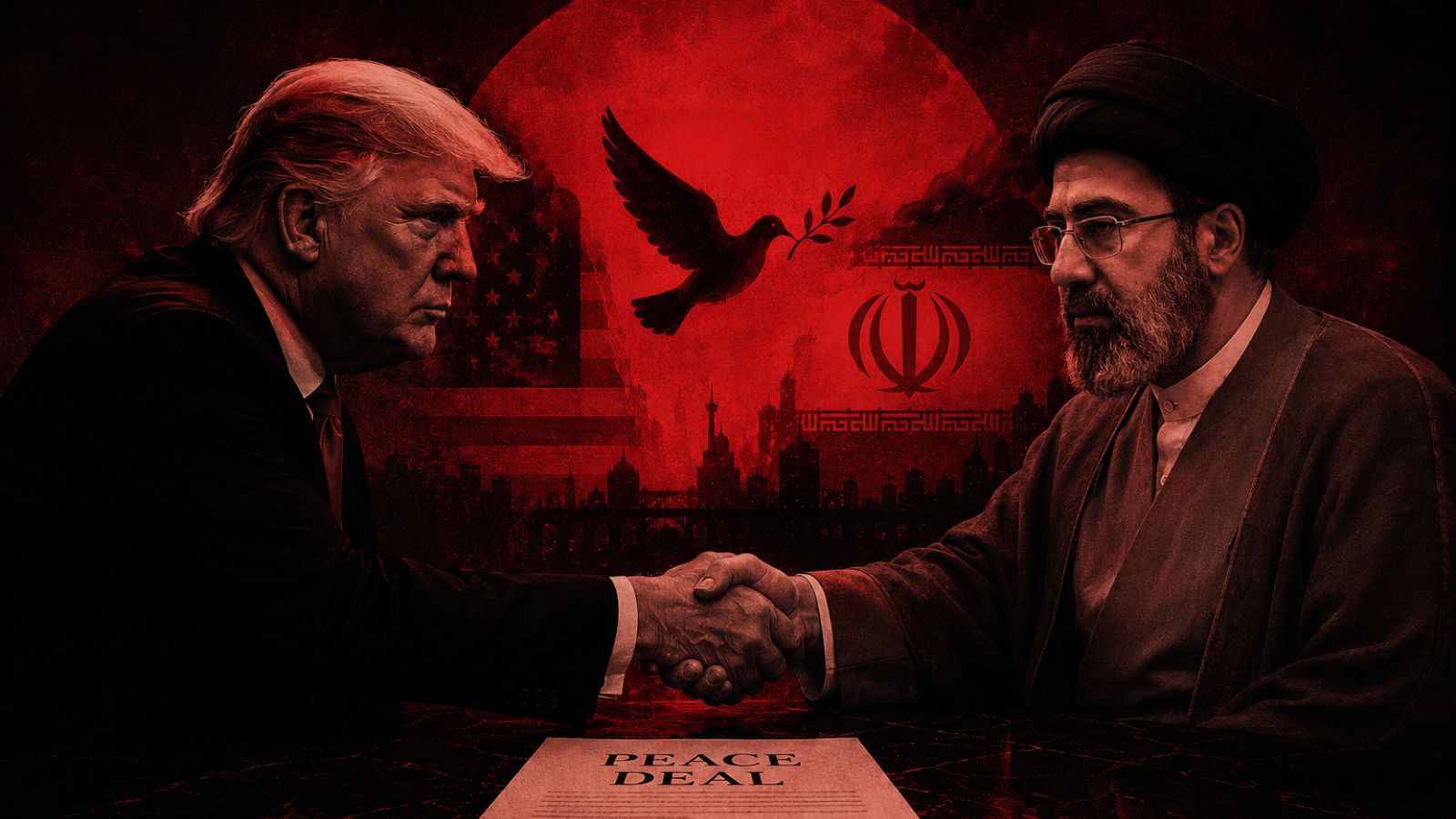
The United States and Iran have signed a ceasefire agreement aimed at ending their months-long conflict, with the White House confirming that the deal is now in effect. The agreement, formally structured as a Memorandum of Understanding (MoU), was signed by US President Donald Trump during the G7 summit in France and by Iranian President Masoud Pezeshkian, according to officials.
The agreement seeks to halt military operations, reopen the strategically important Strait of Hormuz, prevent Iran from developing nuclear weapons and establish a framework for negotiations on a permanent settlement.
According to the BBC, a White House official confirmed that the agreement had been signed and was operational. However, several major issues — including Iran’s nuclear programme, sanctions relief and regional security arrangements — remain subject to further negotiations.
The 14 Points of the US-Iran Agreement Explained
The US-Iran ceasefire agreement is structured around 14 key provisions covering military operations, nuclear restrictions, sanctions, economic recovery and future negotiations. Here is what each point means:
Point 1: Immediate End to Military Operations
The United States, Iran and their allies have agreed to immediately halt military operations across all fronts, including Lebanon. Both sides have committed to ending attacks, avoiding threats of force and respecting Lebanon’s sovereignty. The final agreement is expected to formally end the conflict permanently.
Point 2: Respect for Sovereignty and Non-Interference
Washington and Tehran have agreed to respect each other’s territorial integrity and avoid interfering in each other’s internal matters. The provision aims to reduce tensions and prevent future confrontations linked to domestic affairs.
MUST READ: Big surprise as Trump, Tehran sign Iran peace deal ahead of Swiss meet | What we know so far
Point 3: 60-Day Negotiation Window for Final Deal
The two countries will work towards a comprehensive final agreement within 60 days of signing the memorandum. The deadline can be extended if both sides mutually agree to continue negotiations.
Point 4: Removal of US Naval Blockade and Force Withdrawal
The United States will begin removing its naval restrictions against Iran immediately after the agreement takes effect. The blockade is expected to be completely lifted within 30 days. After a final deal is reached, Washington has also committed to withdrawing military forces stationed near Iran.
Point 5: Reopening of the Strait of Hormuz
Iran has agreed to facilitate the safe movement of commercial ships through the Strait of Hormuz for 60 days without charging transit fees. Shipping operations are expected to resume gradually after technical and security obstacles are cleared. Iran will also discuss future management of the waterway with Oman and other Gulf nations.
Point 6: $300 Billion Reconstruction and Economic Development Plan
The agreement proposes a reconstruction and economic development framework worth at least $300 billion for Iran. The plan would involve regional partners and investment projects, but the US has clarified that it will not directly provide funds to Tehran.
Point 7: Removal of Economic Sanctions
The United States has agreed in principle to end sanctions against Iran, including unilateral US restrictions and other international measures. The exact schedule for lifting sanctions will be decided during further negotiations.
Point 8: Iran’s Commitment Against Nuclear Weapons
Iran has reaffirmed that it will not develop or acquire nuclear weapons. The two sides will negotiate how Iran’s existing enriched uranium stockpile will be handled, with oversight from the International Atomic Energy Agency (IAEA).
Point 9: Maintaining the Current Nuclear Status During Talks
Until a final agreement is reached, both countries will maintain the existing situation. Iran will keep its nuclear programme at its current level, while the US will avoid imposing additional sanctions or sending more forces into the region.
Point 10: Temporary Relief for Iranian Oil Exports
The United States will issue temporary waivers allowing Iran to export crude oil and petroleum products. Related services, including banking, insurance and transportation arrangements, will also receive exemptions during the negotiation period.
Point 11: Release of Frozen Iranian Assets
The agreement allows for the release and use of Iran’s frozen or restricted funds once implementation begins. The process for accessing these assets will be decided through negotiations between the two sides.
Point 12: Monitoring Mechanism for Compliance
A joint system will be created to track whether both Washington and Tehran are fulfilling their commitments under the agreement. The mechanism is intended to ensure transparency and accountability.
Point 13: Start of Final Agreement Talks After Initial Steps
Once key early measures — including the ceasefire, blockade removal and economic arrangements — begin, both sides will formally start discussions on the remaining parts of the final agreement.
Point 14: Final Deal to Receive International Backing
The eventual permanent agreement between the US and Iran will be submitted for approval through a binding United Nations Security Council resolution, giving it international legal recognition.