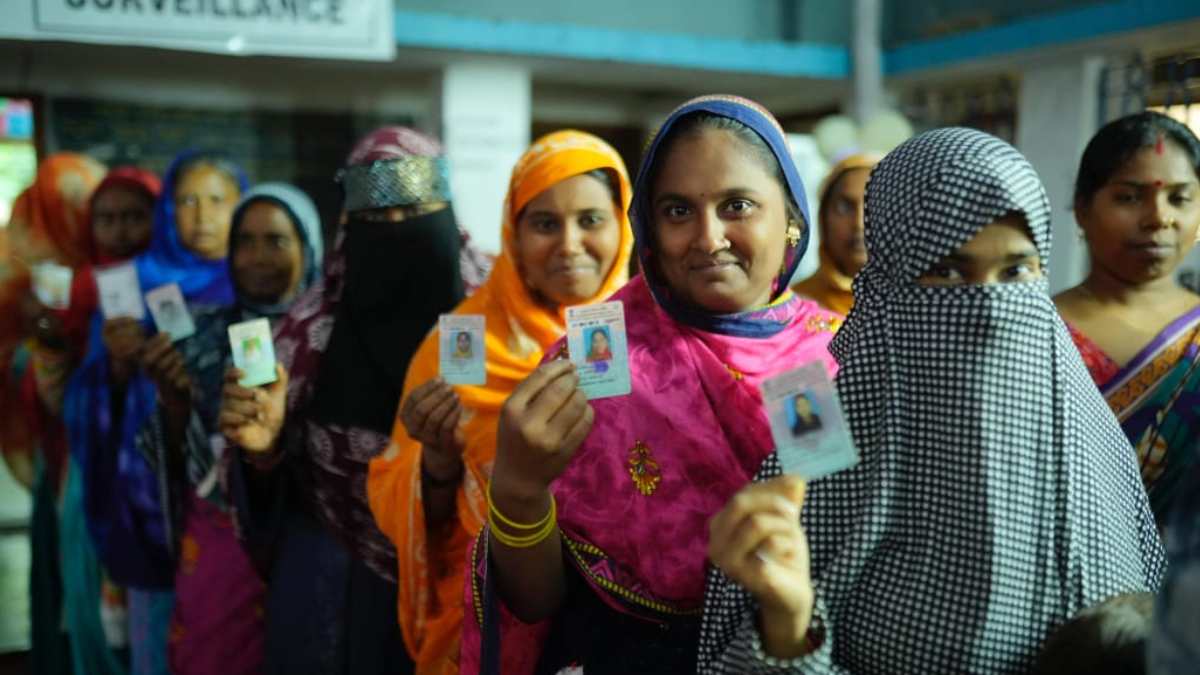
The West Bengal Assembly Election 2026 has officially been set in motion, with the Election Commission of India announcing a detailed framework to conduct one of the country’s most closely watched state elections. With over 6.45 crore voters, more than 80,000 polling stations and strict enforcement of electoral rules, the election is shaping up to be a massive administrative and political exercise.
`
This explainer serves as a complete ready reckoner, breaking down every critical aspect of the West Bengal Assembly Election 2026—from voter data and polling arrangements to campaign rules, candidate requirements and security deployment.
West Bengal Assembly Election 2026: Seats, Timeline and Constitutional Deadline
The West Bengal Assembly Election 2026 will be held to elect representatives to 294 seats in the Legislative Assembly, including 68 seats reserved for Scheduled Castes and 16 for Scheduled Tribes. The current Assembly’s term is set to end on May 7, 2026, making it mandatory for the election process to be completed before this date.
West Bengal Voter List 2026: Total Electors, Young Voters and Demographics
The West Bengal voter list 2026 highlights the scale of the election, with over 6.45 crore registered electors across the state. The electorate includes a significant number of first-time voters aged between 18 and 19, along with a large population of senior citizens above 85 years and persons with disabilities, reflecting the diversity of the voting base.
The final electoral roll was published on February 28, 2026, and may still be updated through supplementary lists to ensure maximum inclusion.
The West Bengal polling booth details for 2026 indicate a marginal increase in infrastructure, with more than 80,700 polling stations set up across the state. Each booth is designed to cater to a maximum of 1,200 voters to reduce overcrowding and improve efficiency on polling day.
MUST READ: Bombs explode in Kolkata’s Paikpara, panic in area
All polling stations will be equipped with basic facilities such as drinking water, toilets, electricity, seating arrangements and ramps for accessibility. In addition, model polling stations reflecting local culture will be introduced to enhance the voter experience.
Voter Facilities in West Bengal Election 2026: Accessibility, Postal Ballot and ID Rules
Voter facilities in the West Bengal Assembly Election 2026 have been significantly expanded, with a strong focus on accessibility and convenience. Ground-floor polling stations, wheelchair access and priority voting for senior citizens and persons with disabilities are being ensured across constituencies.
Postal ballot provisions have also been widened to include voters aged 85 and above, persons with disabilities, essential service workers and COVID-affected individuals. In such cases, polling teams may visit homes to collect votes under strict secrecy protocols.
Voters will receive Voter Information Slips in advance, while multiple identity documents—including Aadhaar and passports—will be accepted in addition to voter ID cards.
Model Code of Conduct Rules West Bengal Election 2026 Explained
The Model Code of Conduct for the West Bengal Assembly Election 2026 has come into immediate effect, imposing strict guidelines on political parties, candidates and governments.
Authorities have prohibited the misuse of government machinery and any policy announcements that could influence voters. Surveillance has been intensified, particularly during the critical first and last 72 hours of campaigning, to ensure strict compliance.
Campaign rules for the West Bengal Assembly Election 2026 include a mandatory 48-hour silence period before polling, during which all forms of canvassing are banned. Loudspeaker use is also restricted, especially during night hours and completely prohibited during the silence period.
A major focus area is digital campaigning, with authorities closely monitoring social media platforms to curb fake news, hate speech and the misuse of AI-generated content.
West Bengal Candidate Nomination Rules 2026: Affidavits and Criminal Cases
The West Bengal candidate nomination rules for 2026 have been modernised with the introduction of online filing systems, allowing candidates to submit nomination forms, affidavits and deposits digitally.
Candidates are required to disclose all criminal cases and publish this information multiple times during the campaign. Political parties must also explain their reasons for selecting such candidates. Incomplete or inaccurate affidavits can lead to rejection of nomination papers, reinforcing transparency in the process.
The election expenditure limit for candidates in the West Bengal Assembly Election 2026 has been fixed at ₹40 lakh.
To enforce this, the Election Commission has deployed flying squads, surveillance teams and financial monitoring units to track suspicious transactions and ensure compliance. Campaign expenses must be routed through dedicated bank accounts, and even digital spending is under scrutiny.
West Bengal Election Security Arrangements 2026: CAPF Deployment and Surveillance
Security arrangements for the West Bengal Assembly Election 2026 are extensive, with Central Armed Police Forces deployed across sensitive areas.
Authorities are conducting area domination exercises, route marches and vulnerability mapping to prevent violence and intimidation. Polling stations, EVM storage locations and counting centres will be monitored through CCTV and webcasting to ensure a secure and transparent process.
Technology in West Bengal Election 2026: Webcasting, CCTV and Transparency Measures
Technology is playing a crucial role in the West Bengal Assembly Election 2026, with webcasting, CCTV monitoring and video recording deployed across key stages of the electoral process.
These measures are designed to enhance transparency, enable real-time monitoring and strengthen public confidence in the election system.
Why West Bengal Assembly Election 2026 Is Important
The West Bengal Assembly Election 2026 is expected to be a politically decisive contest, given the state’s strategic importance and large voter base. The scale of preparations, combined with strict regulatory oversight and increased use of technology, reflects the Election Commission’s intent to conduct a credible and efficient election.