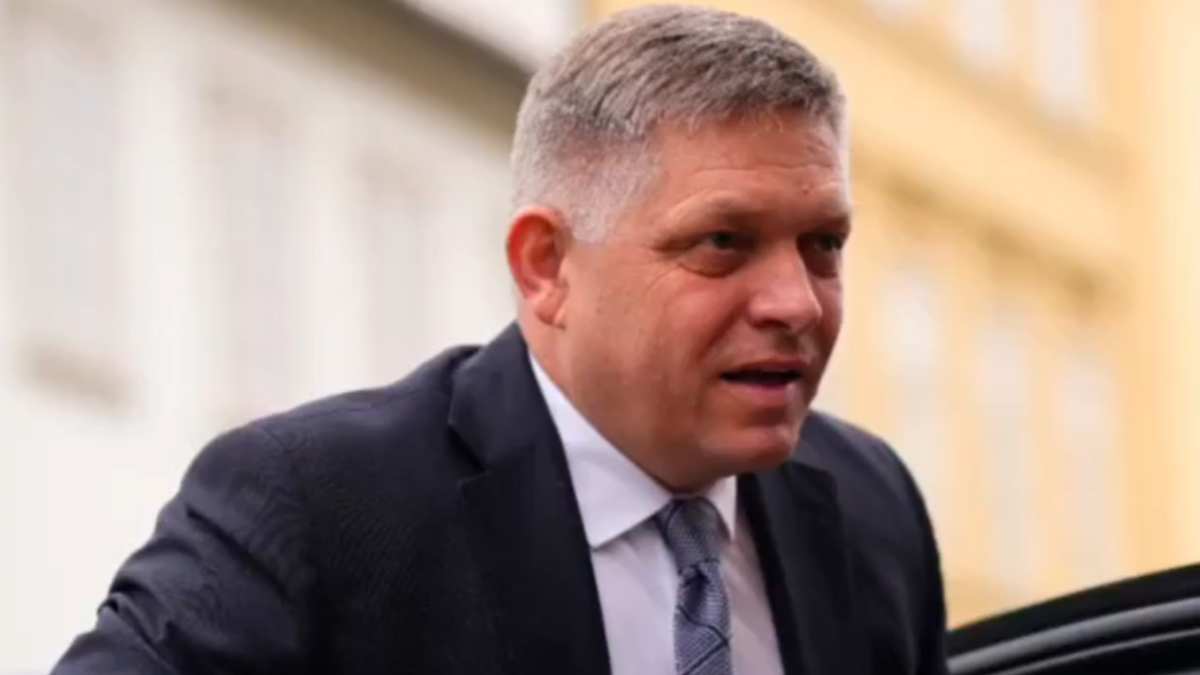
Slovak Prime Minister Robert Fico is no longer in a life-threatening condition after being shot several times, according to Deputy Prime Minister Tomas Taraba.
Taraba told the BBC that Fico’s surgery went “well” and expressed optimism about his recovery.
The 59-year-old prime minister was initially reported to be “fighting for his life” after the attack in Handlova, a small town in Slovakia. A suspect was detained at the scene, and Interior Minister Matus Sutaj Estok has described the incident as a politically motivated assassination attempt.
Robert Fico, a controversial figure known for his opposition to military aid to Ukraine and sanctions on Russia, has faced both domestic and EU criticism. However, the shooting has been widely condemned as an attack on democracy.
The gunman, who was among a crowd of Robert Fico supporters outside a cultural centre where the prime minister had been speaking, fired five shots at close range. Robert Fico was hit in the stomach and arm. Security footage shows him being carried by officers to a car and rushed to the hospital, where he underwent several hours of surgery.
There has been no official update on Fico’s condition since the operation, but Taraba told said Fico is “not in a life-threatening situation at this moment” and added that the prime minister had been shot “from very close,” with one bullet passing through his stomach and another hitting his joint.
Police are yet to identify the suspect but local media reports suggest he is a 71-year-old writer and political activist. A video circulating on Slovak media features a man who criticises government policy and state media, though the media in Slovakia has not confirmed if he is the perpetrator.
The shooting coincided with parliamentary discussions on a proposal to abolish Slovakia’s public broadcaster RTVS, a move that has sparked protests. Deputy Prime Minister Taraba blamed “false narratives” by opposition parties for inciting the attack, suggesting that Robert Fico had previously expressed fears of such violence.
During the attack, parliament was in session, and reports indicate a party colleague of Fico’s accused opposition MPs of inciting the attack. Interior Minister Estok also criticized the media for contributing to a climate of hatred.
Reacting to the attack, outgoing President of Slovakia Zuzana Caputova highlighted the severe implications of the incident, noting that hateful rhetoric can lead to hateful acts.
Robert Fico returned to power last September, leading a populist-nationalist coalition. His tenure has been contentious, with significant policy moves, including halting military aid to Ukraine and pushing to abolish RTVS.
Read all the World News, Business News, Sports News, Entertainment News, Business News and Opinion here. Follow us on Facebook, Twitter and Instagram