Papal Conclave Updates | Black Smoke Emerges From Sistine Chapel: Black smoke billowed from the Sistine Chapel chimney at 9 pm, marking the conclusion of the conclave’s first day—hours after the chapel doors were sealed with the traditional declaration, “Extra omnes,” meaning “Everyone out.”
This indicates that the conclave will resume tomorrow morning, with the Cardinal electors reconvening around 10:30 am (Rome time) to cast their ballots once again in the ongoing election of the 267th Pope.
In a solemn and historic moment for the Catholic Church, 133 cardinals from 70 nations had entered the Sistine Chapel to begin the secret conclave that will elect the next pope following the death of Pope Francis last month. The election, steeped in centuries-old rituals, marks a pivotal moment for a 1.4-billion-member global Church navigating deep internal divisions and regional shifts in power.
The cardinals, known as the cardinal electors, took an oath of perpetual secrecy beneath Michelangelo’s iconic Last Judgement fresco. Following the Latin command “Extra omnes!” (“Everyone out!”), the chapel’s heavy doors were shut, sealing them off from the outside world until they elect the 267th pontiff.
First Ballot Held, No Decision Expected on Day One
Only one round of voting is scheduled for Wednesday, adhering to tradition, as no pope has been elected on the first day of a conclave in over six centuries. From Thursday onward, up to four ballots per day may be held until one man secures a two-thirds majority.
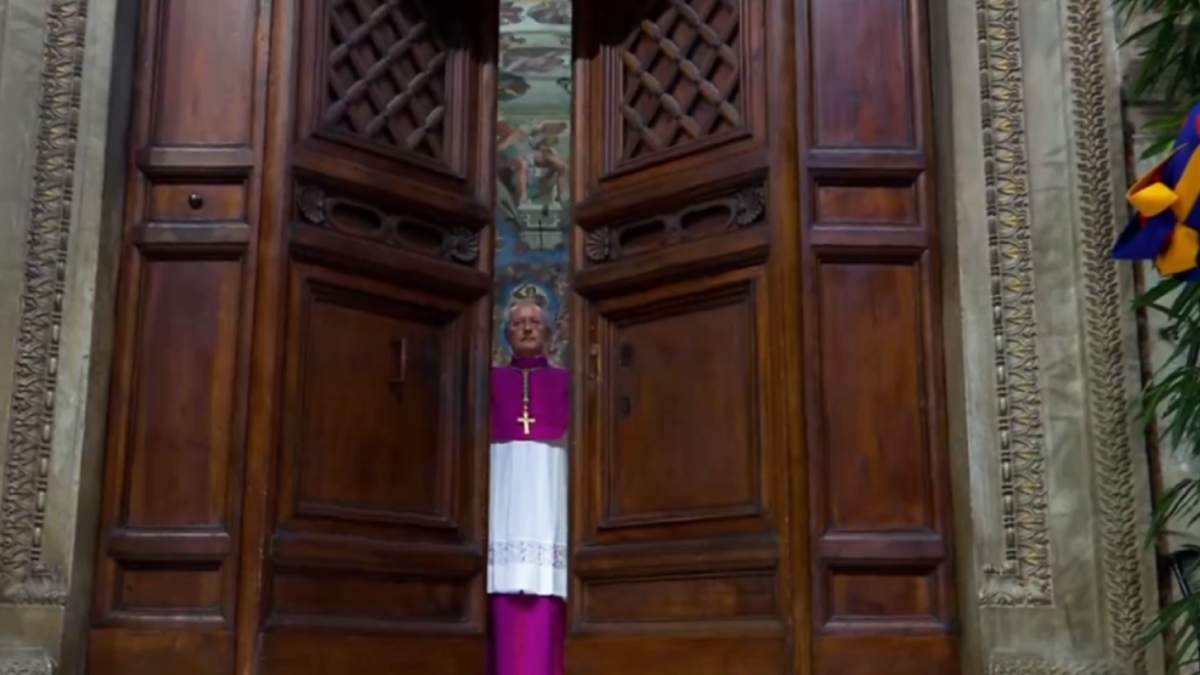
Only one round of voting is scheduled for Wednesday, adhering to tradition, as no pope has been elected on the first day of a conclave in over six centuries. (Screenshot)
As per custom, smoke rising from a chimney atop the Sistine Chapel will be the world’s only indicator of progress: Black smoke signifies no decision, White smoke and bells signal a successful election.
Cardinals Seek a Pontiff to Heal and Lead a Divided Church
Before entering the conclave, cardinals gathered for a special Mass at St. Peter’s Basilica, praying for divine guidance. Italian Cardinal Giovanni Battista Re, in his sermon, urged electors to prioritize the “good of the Church and of humanity”, calling for a choice unclouded by personal agendas or ideological battles.
ALSO READ: Martin Scorsese to produce final interview documentary of Pope Francis in ‘Aldeas — A New Story’
“Unity does not mean uniformity,” said Re, underscoring the importance of respecting the Church’s vast diversity. He reminded the electors of their responsibility to foster a “firm and profound communion in diversity.”
The Church, while global in reach, faces mounting tension between progressive reformists inspired by Francis and traditionalists seeking a return to doctrinal conservatism.
No Clear Frontrunner, But Contenders Emerge
While no candidate has gained clear traction, Vatican insiders suggest the following are among the top contenders:
Cardinal Pietro Parolin (Italy) – The Vatican Secretary of State, known for his diplomatic prowess.
Cardinal Luis Antonio Tagle (Philippines) – A globalist voice and close ally of Pope Francis.
Cardinal Jean-Marc Aveline (France), Cardinal Peter Erdo (Hungary), Cardinal Robert Prevost (USA), and Cardinal Pierbattista Pizzaballa (Italy) are also in contention.
If early ballots prove inconclusive, votes may shift based on regional representation, ideological leanings, or linguistic and cultural familiarity. There is growing speculation about whether the Church will again choose a pontiff from the Global South, which has seen rapid growth in Catholic congregations.
Pope Francis’ Legacy Looms Large
With 80% of voting cardinals appointed by Francis, many expect his successor to at least preserve some continuity with his reformist agenda, which focused on inclusivity, climate justice, and curbing clerical abuse. However, influential factions within the Church are pushing for a return to traditional values, arguing Francis’ tenure brought too much unpredictability.
The previous conclave in 2013 lasted just two days, electing Francis from Argentina — the first Jesuit pope and the first from Latin America. This conclave, with record participation, aims to reach consensus swiftly to avoid any public appearance of division or drift.
A Church at a Crossroads
The Catholic Church now faces critical choices: Will the next pope hail from Europe, Asia, or the Americas? Will he continue Francis’ vision or chart a conservative course? The decision made behind closed doors in the Sistine Chapel will shape the Church’s trajectory for decades.
For now, the world watches the smoke above Vatican City, awaiting the signal that a new spiritual leader has been chosen to carry the mantle of St. Peter in one of the most complex eras in Church history.