Authorities in Nepal’s Bara district reimposed a strict curfew on Thursday after youths identifying as “Gen Z” returned to the streets and clashed with CPN-UML cadres, multiple reports said. The renewed unrest erupted a day after six protesters were injured in earlier confrontations.
Assistant Chief District Officer Chhabiraman Subedi confirmed the decision, stating, “Curfew has been reimposed following the clash with the police to bring the situation under control.” The curfew will remain in place from 1 pm to 8 pm (local time).
Crowds continued to gather in the streets of Simara from early morning, leading to sustained clashes with police. As tensions grew, security personnel fired multiple teargas canisters to disperse the protesters. The confrontation escalated near Simara Airport, forcing authorities to halt airport operations temporarily.
 Loading...
 Reload document
  Open in new tab
 The unrest began after UML (Unified Marxist-Leninist) leaders planned a visit to the district ahead of the March 5, 2026, elections. Protesters opposed the political mobilisation, triggering heated confrontations with party cadres.
Background: Nepal’s Gen Z-Led Demonstrations Have Turned Deadly Before
This week’s clashes draw parallels to the violent September demonstrations, when at least 76 people were killed during protests sparked by public anger over a brief government ban on social media.
ALSO READ: Rewriting Constitution, 5 structural reforms and more: What Nepal’s Gen Z protestors want
Those demonstrations, led under the broad “Gen Z” banner, shook the nation and forced then–Prime Minister and UML Chairman KP Oli to step down.
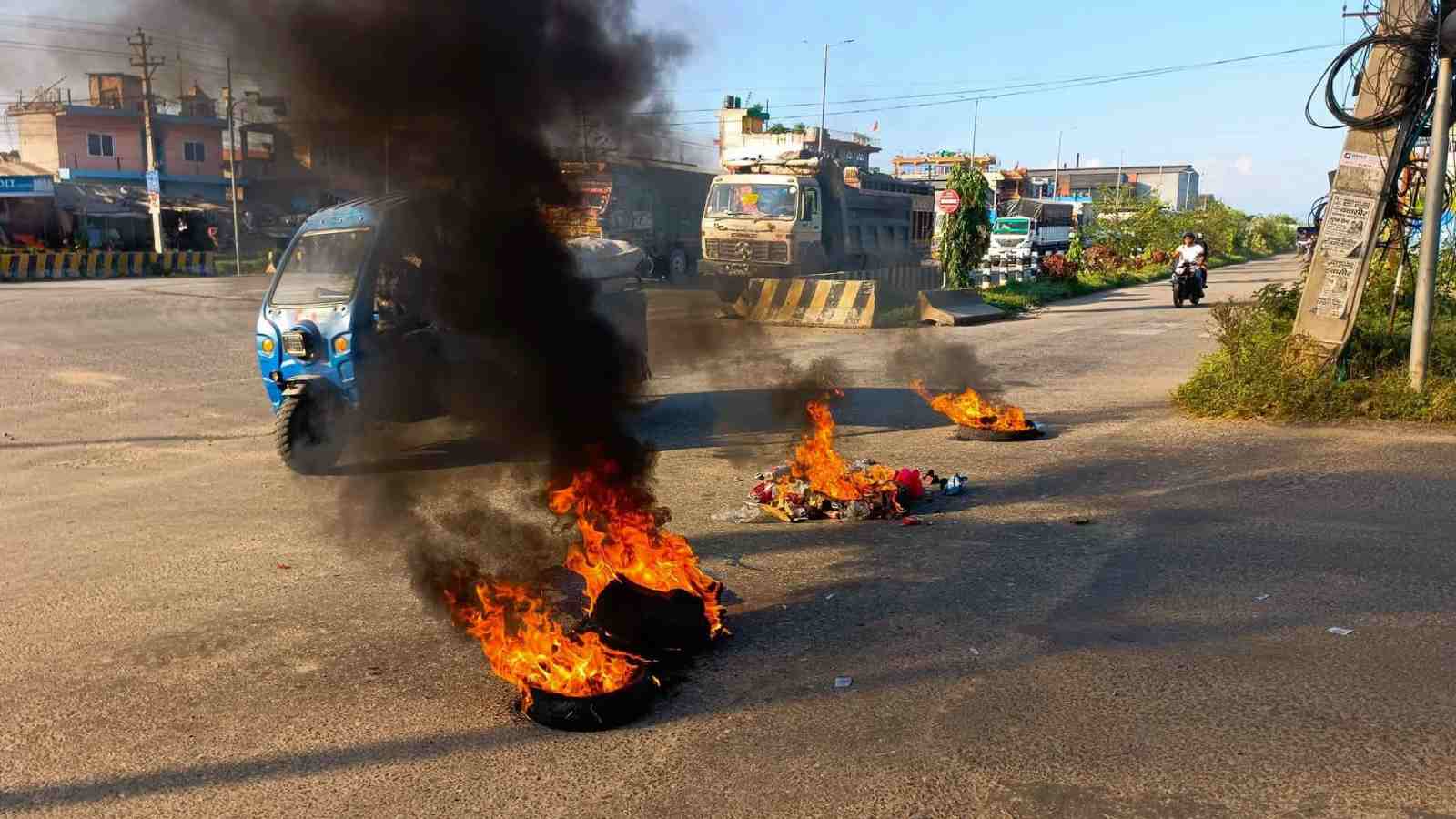
. As tensions grew, security personnel fired multiple teargas canisters to disperse the protesters. (Photo: @GloballyPop/X)
In the aftermath, former Nepal Chief Justice Sushila Karki, 73, was sworn in as the country’s first woman prime minister to lead an interim government.
With fresh tensions emerging just months before the 2026 polls, authorities fear a renewed cycle of unrest. The return of the “Gen Z” movement to the streets of Bara signals persistent dissatisfaction among young protesters against political leadership, surveillance fears, and party mobilisation strategies.
ALSO READ: Dhaka may seek Interpol help to extradite Sheikh Hasina to Bangladesh: Report
As the situation remains volatile, local administration is expected to assess curfew extensions and additional security measures over the next 24 hours.